English
Views: 0 Author: Site Editor Publish Time: 2025-05-29 Origin: Site
Thin film solar panels are a type of photovoltaic technology that offers a lightweight and flexible alternative to traditional solar panels. They have garnered significant attention due to their potential applications in various environments where conventional solar panels may not be suitable. Understanding the mechanism behind these panels is crucial for advancing solar energy technologies and increasing the efficiency of solar panels in energy conversion.
In the realm of renewable energy, the efficiency and adaptability of solar panels are paramount. Thin film solar panels, with their unique construction and materials, present an innovative approach to harnessing solar energy. This article delves into how thin film solar panels work, exploring the underlying mechanisms, materials used, and their efficiency in energy conversion.
Thin film solar panels are created by depositing one or more layers of photovoltaic material onto a substrate. The photovoltaic materials used can vary, but the most common types include amorphous silicon (a-Si), cadmium telluride (CdTe), and copper indium gallium selenide (CIGS). These materials are applied in very thin layers, often just a few micrometers thick, which is significantly thinner than the layers used in traditional crystalline silicon panels.
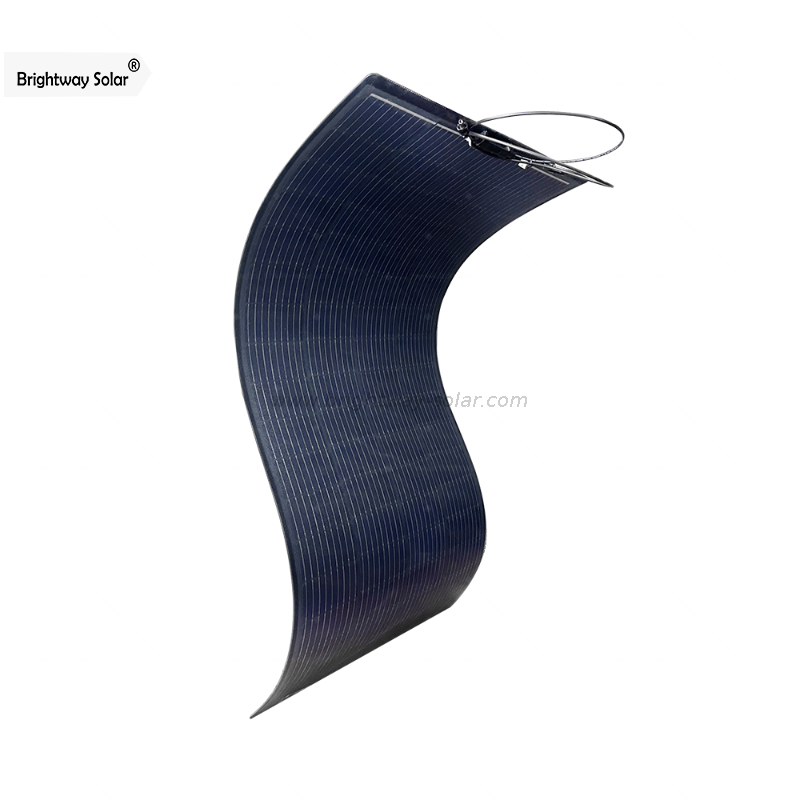
The thin nature of these layers allows the panels to be flexible and lightweight. This flexibility opens up new possibilities for installation, such as on curved surfaces or integrated into building materials—a concept known as Building Integrated Photovoltaics (BIPV). The production process of thin film solar panels also tends to consume less raw material, potentially reducing manufacturing costs and environmental impact.
The efficiency and functionality of thin film solar panels largely depend on the photovoltaic materials used. Each material has its own set of properties that affect the panel's overall performance:
Amorphous Silicon (a-Si): This non-crystalline form of silicon allows for flexibility and can absorb light effectively. However, its efficiency is generally lower compared to other materials.
Cadmium Telluride (CdTe): Panels using CdTe have achieved higher efficiencies and are less expensive to produce. Cadmium is toxic, but when properly managed, CdTe panels offer a good balance between cost and efficiency.
Copper Indium Gallium Selenide (CIGS): CIGS panels have the highest efficiency among thin film technologies and can be deposited on flexible substrates, making them versatile for various applications.
Thin film solar panels generate electricity through the photovoltaic effect, similar to traditional solar panels. When sunlight strikes the photovoltaic material, it excites electrons, creating electron-hole pairs. These free electrons move towards the front surface, while holes move towards the back, generating an electric current.
The key difference lies in how the thin layers interact with light. The thinness of the photovoltaic material means that less light is absorbed, which can reduce efficiency. To counter this, thin film panels often incorporate light-trapping techniques, such as textured surfaces or anti-reflective coatings, to increase the absorption of sunlight.
A typical thin film solar panel consists of several layers:
Substrate Layer: Provides structural support. It can be made of glass, metal, or flexible materials like plastic.
Transparent Conductive Oxide (TCO) Layer: Acts as the front electrode, allowing light to enter while conducting electricity.
Photovoltaic Material Layer: The active layer where light absorption and electron excitation occur.
Back Electrode Layer: Completes the electrical circuit and reflects unabsorbed light back into the photovoltaic layer.
Protective Coating: Shields the panel from environmental factors like moisture and mechanical damage.
Each layer plays a critical role in the overall performance of the panel, influencing factors such as efficiency, durability, and flexibility.
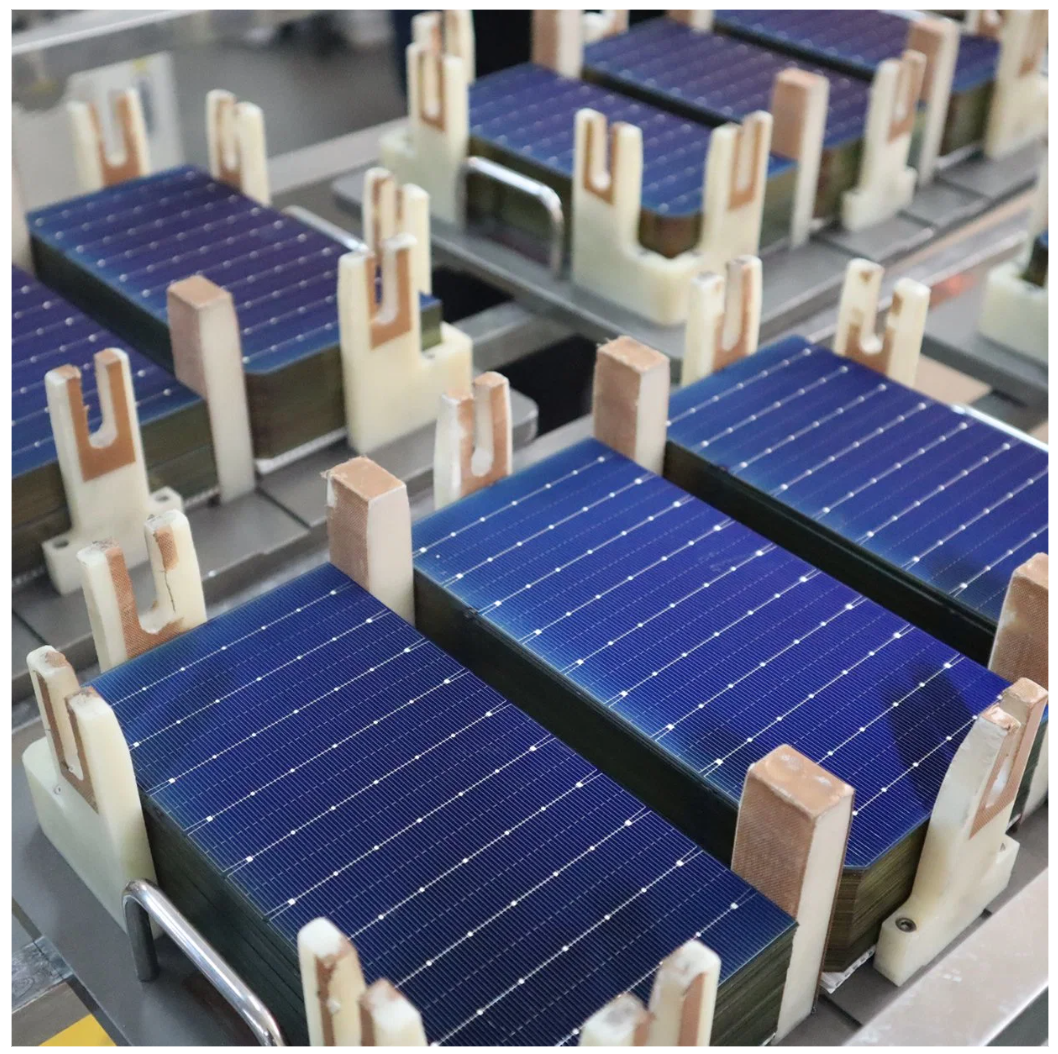
One of the primary considerations with thin film solar panels is their thin film solar panel efficiency. Generally, thin film panels have lower efficiencies compared to crystalline silicon panels. Average efficiencies range from 10% to 13%, whereas crystalline silicon panels can exceed 20%.
Research is ongoing to improve the efficiency of thin film solar panels. Advances in material science and manufacturing processes aim to close the efficiency gap. For instance, using multi-junction cells, which layer different photovoltaic materials, can capture a broader spectrum of sunlight, thus increasing efficiency.
Several factors impact the efficiency of thin film solar panels:
Material Quality: Purity and crystalline structure of the photovoltaic material affect electron mobility.
Layer Thickness: Optimal thickness balances light absorption and electron transport.
Temperature Coefficient: High temperatures can reduce panel efficiency. Thin film panels often perform better in high-temperature conditions compared to crystalline silicon panels.
Light-Induced Degradation: Some materials experience efficiency loss when first exposed to sunlight, a phenomenon known as the Staebler-Wronski effect in amorphous silicon.
Despite lower efficiency, thin film solar panels offer several advantages:
Flexibility: Their flexibility allows installation on a variety of surfaces, including curved and irregular shapes.
Lightweight: Ideal for structures where weight is a concern, such as rooftops with limited load capacity.
Performance in Low Light: They tend to perform better in diffused light conditions, like cloudy weather.
Temperature Performance: Less affected by high temperatures, maintaining efficiency better than some traditional panels.
Manufacturing Cost: Potentially lower production costs due to less material usage and simpler manufacturing processes.
The unique properties of thin film solar panels make them suitable for specific applications:
Building Integrated Photovoltaics (BIPV): Integration into building materials like windows, facades, and roofs.
Portable Power Solutions: Used in backpacks, mobile chargers, and portable generators due to their lightweight nature.
Transportation: Can be installed on vehicles, including cars, buses, and even boats, to supplement power needs.
Agricultural Use: Deployed in greenhouses where transparency and light weighting are beneficial.
These applications highlight the versatility of thin film technology in expanding the use of solar energy beyond traditional installations.
While thin film solar panels offer numerous benefits, there are challenges to their widespread adoption:
Lower Efficiency: Requires more surface area to produce the same amount of energy as crystalline silicon panels.
Durability: Generally have shorter lifespans and may be more susceptible to moisture ingress unless properly sealed.
Toxic Materials: Some thin film panels use materials like cadmium, which requires careful handling and recycling protocols.
Market Competition: The decreasing cost of crystalline silicon panels has made the market more competitive, challenging the cost advantages of thin film technology.
The production and disposal of thin film solar panels raise environmental concerns, particularly with cadmium-based panels. Proper recycling and disposal methods are essential to mitigate potential environmental hazards. Advances in recycling technologies and the development of less toxic materials are areas of active research.
 Future Developments
Research into new materials and technologies aims to enhance the efficiency and applicability of thin film solar panels. Emerging materials like perovskites have shown promise due to their high efficiency and low production costs. Combining thin film technology with organic photovoltaic materials may lead to flexible, efficient, and environmentally friendly panels.
Additionally, improvements in manufacturing processes, such as roll-to-roll printing, could significantly reduce production costs and increase scalability. These advancements may pave the way for thin film solar panels to play a more substantial role in the global energy landscape.
Thin film solar panels represent a significant innovation in photovoltaic technology, offering flexibility, lightweight design, and versatility in application. Understanding the thin film solar panel mechanism provides insight into how these panels convert sunlight into electrical energy and the factors influencing their performance.
While challenges such as lower efficiency and potential environmental impacts exist, ongoing research and technological advancements are addressing these issues. By improving thin film solar panel energy conversion efficiency and developing sustainable materials, thin film technology may become increasingly competitive with traditional solar panels.
The future of thin film solar panels is promising, with the potential to expand solar energy utilization in areas previously inaccessible to conventional panels. Their unique properties could significantly contribute to the diversification and expansion of renewable energy sources, supporting global efforts toward sustainable energy solutions.