English
Views: 0 Author: Site Editor Publish Time: 2025-05-29 Origin: Site
The advancement of renewable energy technologies has placed solar power at the forefront of sustainable solutions. Among the various types of solar technologies available, thin-film solar panels have garnered attention due to their flexibility, lightweight nature, and potential for cost-effective manufacturing. However, a critical question that arises for potential users is: how long do thin-film solar panels last? Understanding the thin film solar panel lifespan is essential for making informed decisions about investing in this technology. This article delves into the durability and longevity of thin-film solar panels, examining factors that influence their lifespan, degradation processes, and maintenance practices that can enhance their performance over time.
Thin-film solar panels represent a class of photovoltaic (PV) technology characterized by the deposition of one or more thin layers of photovoltaic material onto a substrate. Unlike traditional crystalline silicon solar panels, which are bulky and rigid, thin-film panels are significantly thinner and can be made flexible. This flexibility opens up a range of applications unavailable to traditional panels, such as integration into building materials, wearable technology, and portable energy solutions.
The main types of materials used in thin-film solar panels include amorphous silicon (a-Si), cadmium telluride (CdTe), copper indium gallium selenide (CIGS), and gallium arsenide (GaAs). Each material offers distinct advantages and challenges in terms of efficiency, cost, and manufacturing complexity.
Amorphous silicon is a non-crystalline form of silicon used for solar cells deposited in thin films onto a variety of flexible substrates. While it is less efficient compared to crystalline silicon, its low cost and flexibility make it suitable for certain applications, such as calculators, wristwatches, and building-integrated photovoltaics (BIPV).
CdTe panels are the second most common photovoltaic technology after silicon. They offer a competitive efficiency-to-cost ratio and have a shorter energy payback time. However, the presence of cadmium, a toxic heavy metal, raises environmental and health concerns, necessitating proper recycling and disposal practices.
CIGS technology is known for its high efficiency among thin-film technologies. CIGS cells have a direct bandgap and strong light absorption capabilities, allowing for thinner films. The flexibility of CIGS cells expands their usability across various innovative applications. However, the complexity of manufacturing and the cost of materials can be higher compared to other thin-film technologies.
The lifespan of thin-film solar panels typically ranges from 10 to 25 years, depending on the type of material used and the quality of manufacturing. This is somewhat shorter than the 25 to 30-year lifespan commonly associated with traditional crystalline silicon panels. However, technological advancements and improved manufacturing processes are continuously enhancing the durability and longevity of thin-film panels.
Manufacturers often provide warranties that guarantee performance levels for a certain period. For instance, a typical warranty might guarantee that the panel will produce at least 80% of its original capacity after 20 years. It's essential to understand that the lifespan refers to the period during which the panels can produce electricity efficiently, not the point at which they cease to function entirely.
Several factors affect the thin film solar panel lifespan, including environmental conditions, material properties, installation quality, and maintenance practices. Understanding these factors can help in maximizing the performance and durability of the panels.
Exposure to environmental elements is a primary factor in the degradation of solar panels. Thin-film panels installed in harsh climates with extreme temperatures, heavy snowfall, high humidity, or saltwater exposure may experience accelerated degradation. UV radiation can break down the materials over time, and thermal cycling can cause expansion and contraction, leading to material fatigue.
The type of material used in the thin-film solar panel significantly impacts its longevity. For example, CdTe panels have shown robust performance and relatively lower degradation rates, while a-Si panels may degrade more quickly due to their less stable structure. The choice of substrate and encapsulation materials also plays a critical role in protecting the active layer from moisture and oxygen ingress, which can lead to degradation.
Proper installation is crucial for ensuring the longevity of thin-film solar panels. Installations that do not account for thermal expansion, provide inadequate ventilation, or expose panels to mechanical stress can lead to premature failure. Utilizing experienced installers who understand the specific requirements of thin-film technology can mitigate these risks.
Regular maintenance can significantly extend the operational life of thin-film solar panels. Cleaning the panels to remove dust, debris, and other contaminants ensures maximum light absorption and reduces the risk of hotspots. Inspecting for physical damage, corrosion, or delamination allows for early detection and repair of potential issues.
Degradation refers to the loss of power output over time. For thin-film solar panels, degradation rates can vary based on material and environmental exposure. On average, thin-film panels experience a degradation rate of about 0.5% to 1% per year. This means after 20 years, the panels may operate at 80% to 90% of their initial capacity.
Several mechanisms contribute to thin film solar panel degradation:
LID occurs when the performance of the solar panel decreases after initial exposure to sunlight. While more common in crystalline silicon panels, some thin-film technologies can also experience LID. Proper manufacturing processes can minimize LID effects.
PID is a phenomenon where voltage stress causes a loss of performance in solar panels. It is influenced by factors such as high system voltages, ambient humidity, and temperature. Using PID-resistant materials and proper system grounding can reduce the risk.
Thermal degradation results from the expansion and contraction of materials due to temperature fluctuations. Over time, this can cause micro-cracks and delamination, leading to reduced efficiency. Selecting materials with compatible thermal expansion coefficients and ensuring adequate ventilation can mitigate thermal stress.
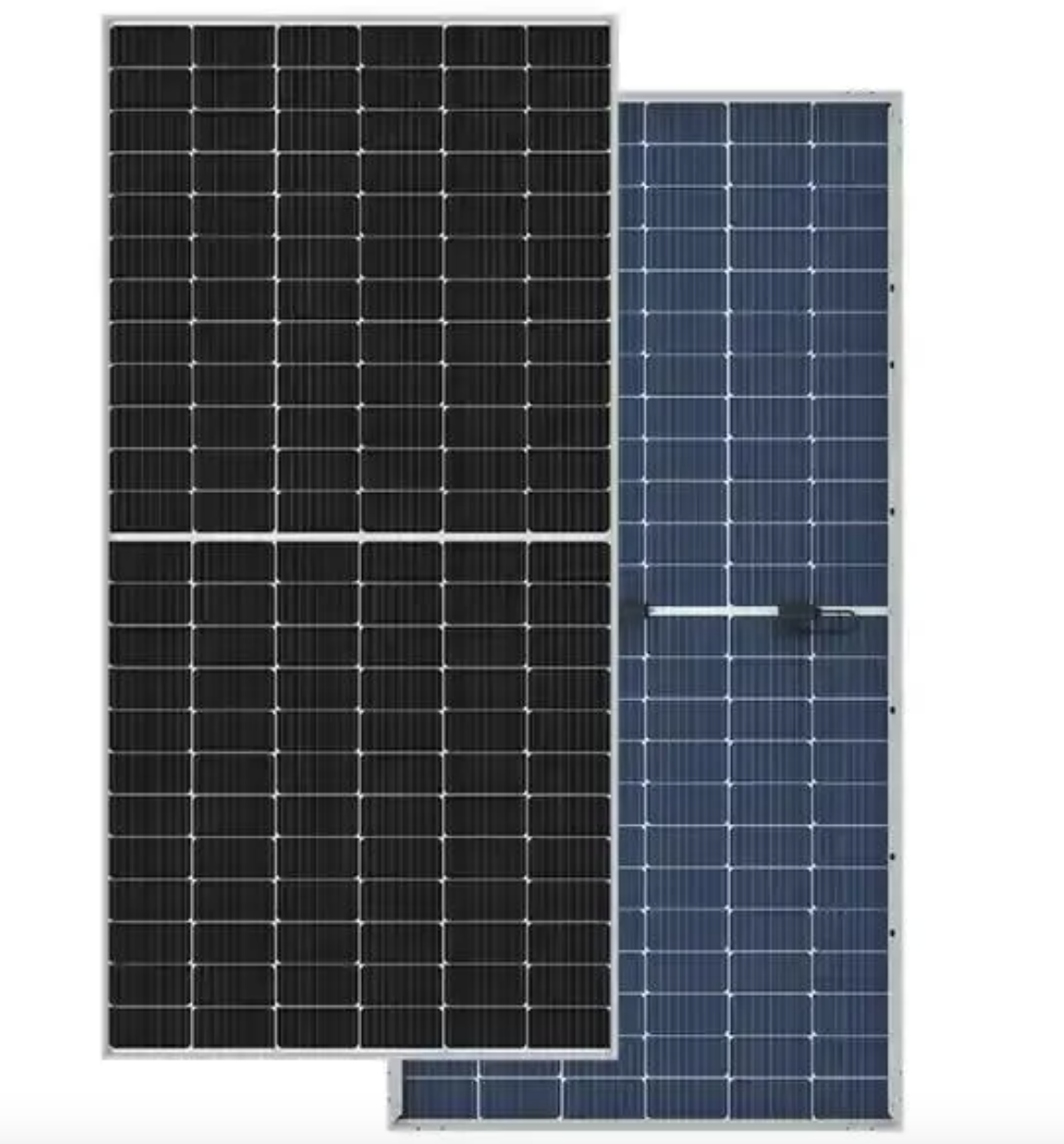 Maintenance of Thin-Film Solar Panels
Proper maintenance is key to maximizing the lifespan of thin-film solar panels. Here are some best practices for thin film solar panel maintenance:
Accumulated dirt, dust, and grime can significantly reduce the efficiency of solar panels by blocking sunlight. Cleaning should be performed with soft brushes or water to avoid scratching the surface. In areas with high pollution or dust, more frequent cleaning may be necessary.
Periodic inspections help identify physical damage, loose connections, or signs of corrosion. Early detection allows for timely repairs, preventing minor issues from escalating into major problems. Inspections should include checking the integrity of seals and the condition of mounting hardware.
Implementing a monitoring system can track the performance of the solar panels over time. Sudden drops in output may indicate issues such as shading, dirt accumulation, or component failure. Data from monitoring can guide maintenance activities and improve overall system reliability.
Engaging professional maintenance services ensures that the panels are serviced by individuals knowledgeable about the specific requirements of thin-film technology. Professionals can perform detailed diagnostics, including infrared imaging to detect hotspots or potential failures.
When considering solar panel options, it's important to compare thin-film panels to traditional crystalline silicon panels in terms of lifespan, efficiency, and application suitability.
Crystalline silicon panels generally have a longer lifespan, often exceeding 25 to 30 years, with degradation rates around 0.5% per year. Thin-film panels have shorter lifespans of 10 to 25 years and slightly higher degradation rates. However, certain thin-film technologies, such as CdTe, have demonstrated competitive longevity under optimal conditions.
Crystalline silicon panels typically offer higher efficiencies, ranging from 15% to over 22%, while thin-film panels have efficiencies between 7% and 18%, depending on the material. The lower efficiency of thin-film panels means that more surface area is required to produce the same amount of energy, which can be a limitation in space-constrained applications.
Thin-film panels can be less expensive to produce due to lower material requirements and simpler manufacturing processes. Their flexibility makes them ideal for applications where rigid panels are unsuitable, such as curved surfaces or lightweight structures. Crystalline panels are preferred for maximum efficiency and longevity, particularly in residential and commercial rooftop installations where space is at a premium.
Ongoing research and development efforts aim to improve the efficiency and lifespan of thin-film solar panels. Innovations in materials science, such as the exploration of perovskite materials and tandem cell structures, hold the promise of achieving higher efficiencies while maintaining the inherent advantages of thin-film technology.
For instance, perovskite solar cells have demonstrated lab efficiencies exceeding 25% and can potentially be manufactured at low costs. While challenges remain in terms of stability and large-scale manufacturing, advancements in this area could revolutionize the thin-film solar industry.
To maximize the operational life of thin-film solar panels, consider the following strategies:
Investing in high-quality panels from reputable manufacturers ensures that the products meet industry standards and have gone through rigorous testing. Quality panels are more likely to have better encapsulation, protective coatings, and overall construction that resist environmental stresses.
Professional installation minimizes the risk of damage due to improper handling or mounting. Installers should adhere to manufacturer guidelines, including considerations for thermal expansion, wind loads, and potential shading issues.
Implementing protective measures such as anti-reflective coatings, UV-resistant materials, and robust framing can shield the panels from harmful environmental effects. For installations in areas prone to severe weather, consider additional protections against hail, heavy snow, or high winds.
Staying informed about technological advancements allows for timely upgrades to system components. Replacing inverters, installing power optimizers, or integrating energy storage solutions can enhance system performance and compensate for any loss in panel efficiency over time.
When evaluating the investment in thin-film solar panels, it's important to consider the balance between initial costs, efficiency, and expected lifespan. While thin-film panels may have lower upfront costs, their shorter lifespan and lower efficiency could result in higher cost per kilowatt-hour generated over the system's life.
However, for certain applications, such as large-scale utility installations where space is abundant and weight considerations are critical, thin-film panels might offer the most cost-effective solution. Additionally, their performance under low-light conditions can be superior to that of crystalline silicon panels, which may enhance energy production in diffused light environments.
The environmental impact of thin-film solar panels extends beyond their operational lifespan. End-of-life considerations, such as recycling and disposal, are crucial due to the presence of hazardous materials in some thin-film technologies (e.g., cadmium in CdTe panels). Establishing proper recycling programs and adhering to environmental regulations mitigates potential negative impacts.
Moreover, the energy payback time—the time it takes for the panel to generate the energy consumed during its production—is generally shorter for thin-film panels compared to crystalline silicon panels. This can make thin-film panels a more environmentally favorable option in terms of lifecycle energy consumption.
The future of thin-film solar panels is promising, with ongoing research focused on enhancing efficiency, durability, and reducing manufacturing costs. Innovations such as integrating thin-film technology into building materials (BIPV), developing flexible and lightweight panels for portable applications, and combining different photovoltaic materials to create multi-junction cells are expanding the potential uses of thin-film solar panels.
Government incentives and growing environmental awareness are driving increased adoption of renewable energy technologies. As thin-film solar technology matures, it is poised to play a significant role in the global transition to sustainable energy sources.
Thin-film solar panels offer unique advantages in terms of flexibility, weight, and potential cost savings. While their lifespan is generally shorter than that of traditional crystalline silicon panels, proper selection, installation, and maintenance can optimize their performance and extend their operational life. Understanding the factors that influence thin film solar panel degradation is crucial for making informed decisions about their use in various applications.
As technological advancements continue to address the challenges associated with thin-film solar panels, their role in the renewable energy landscape is set to expand. Whether for large-scale utility projects, innovative architectural designs, or portable energy solutions, thin-film solar panels provide a versatile option for harnessing solar energy.
Investing in renewable energy technologies like thin-film solar panels not only contributes to environmental sustainability but also drives economic growth and energy independence. By staying informed about the latest developments and best practices in the industry, stakeholders can ensure that they maximize the benefits of this evolving technology.