English

Views: 0 Author: Site Editor Publish Time: 2026-10-01 Origin: Site
Are grid electricity prices draining your wallet month after month? Energy independence is rapidly evolving from a niche environmental movement into a mainstream financial strategy. Utility rates continue to climb relentlessly. Property owners are increasingly looking toward the sky for relief.
However, the upfront financial commitment remains a major hurdle. The initial price tag often confuses homeowners and business executives alike. This hesitation delays a highly profitable long-term investment.
As a solar engineer reviewing project financials daily, I see exactly where the confusion starts. In this guide, we will demystify photovoltaic pricing. You will understand the specific hardware components, hidden fees, and lucrative financing options available today. This practical knowledge equips you to navigate the renewable energy market with total confidence.
Key Takeaways
Average Costs: The typical gross expense ranges from $15,000 to $35,000 for home systems before incentives. Commercial projects vary widely based on scale and facility energy requirements.
Cost Breakdown: Hardware components make up about 40 to 50 percent of the total expense. Labor, municipal permits, and operational soft costs account for the remainder.
Incentives Matter: The 30 percent Federal Solar Investment Tax Credit and local municipal rebates significantly lower the net barrier to entry.
Long-Term ROI: Most property owners see a full return on investment within 6 to 10 years. This break-even point is followed by decades of drastically reduced electricity bills.
When evaluating a transition to renewable energy, objective financial data is crucial. The industry is currently experiencing a fascinating shift. Global supply chains have stabilized over the past year. This stabilization has driven down the manufacturing costs of core photovoltaic hardware like silicon wafers and inverters.
In contrast, domestic inflation and a shortage of skilled electrical labor have pushed soft costs upward. Installation labor and municipal permitting now take up a larger slice of the budget. Consequently, while raw materials are cheaper, the final turnkey price for consumers has plateaued. This dynamic makes local tax incentives and smart equipment selection the critical deciding factors for project profitability.
For homeowners, the gross expense of a residential setup is calculated on a per-watt basis. The national average currently ranges between $2.70 and $3.50 per watt before tax credits or rebates. The physical size of the grid directly dictates the final price tag.
To provide a clearer financial picture, the table below illustrates estimated costs for standard system sizes. These figures highlight the massive impact of the Federal Investment Tax Credit.
System Size kW | Average Gross Cost Before Tax Credit | Estimated Net Cost After 30 Percent Credit | Typical Home Size Suitability |
|---|---|---|---|
5 kW | $13,500 - $17,500 | $9,450 - $12,250 | Small homes for 1 to 2 people |
7 kW | $18,900 - $24,500 | $13,230 - $17,150 | Medium homes for 3 to 4 people |
10 kW | $27,000 - $35,000 | $18,900 - $24,500 | Large homes or high energy use |
Note: These are historical market averages. Actual pricing will fluctuate based on local market conditions and specific contractor rates.
Commercial installations operate on a vastly different financial scale. These systems are significantly larger and often range from 50kW to over 500kW. They benefit immensely from economies of scale. For large-scale enterprise projects, the cost per watt typically drops to between $1.50 and $2.50. A baseline 100kW commercial system might carry a gross cost of $150,000 to $250,000. Businesses can leverage specialized tax deductions and depreciation schedules to rapidly offset this upfront investment.
Understanding exactly where your capital goes helps demystify the quotation process. A standard contractor quote is a composite of physical hardware, skilled labor, and unavoidable administrative fees.
Primary electrical hardware consumes roughly half of your total project budget. The type of photovoltaic modules you select plays a major role in pricing. Monocrystalline modules are the industry standard for efficiency and longevity. For instance, utilizing high-efficiency 450W monocrystalline panels maximizes power output even in limited roof spaces.
Inverters convert the direct current generated by the sun into usable alternating current. Standard string inverters are highly cost-effective. However, pairing a robust 5kVA inverter with your array ensures stable power delivery for demanding household loads. Microinverters and power optimizers will noticeably increase baseline hardware costs, but they drastically improve output in shaded conditions.
Your array must be securely anchored to the roof or ground. It needs to withstand severe weather like high winds and heavy snow loads. Investing in a highly durable solar mounting structure is a critical safety component. High-quality aluminum or stainless steel racking prevents roof leaks. It ensures the array remains stable for its entire 25-year lifespan. Engineered racking is absolutely essential for long-term structural integrity.
Deploying a grid-tied energy system is highly technical and hazardous work. Labor generally accounts for 10 to 20 percent of the total bill. This fee covers certified electricians, specialized roofers, and dedicated project managers. Proper labor ensures the wiring meets strict electrical code standards without compromising your property structural warranty.
Administrative hurdles must be cleared before a single piece of equipment arrives on site. Contractors must draft engineering plans and pull local building permits. They also pay interconnection fees to the local utility company. The city or county will require a final safety inspection before the system goes live. These soft costs vary heavily depending on municipal regulations.
No two properties are identical. Standardized online calculators only provide rough estimates. Several distinct variables will directly influence your customized quotation.
The primary driver of your system size is historical electricity usage. A property consuming 1,500 kWh per month requires a significantly larger array than one consuming just 500 kWh. Installers analyze your past 12 months of utility bills to size the grid appropriately. For a standard home, a residential solar power system featuring a 3kW to 5kW capacity is often the sweet spot for offsetting daily usage efficiently.
The physical characteristics of your roof dictate labor complexity. Standard asphalt shingle roofs with a moderate pitch are the easiest to work with. Imagine navigating a steep three-story slate roof. Your installation crew will need specialized safety gear and custom brackets. This extra time directly inflates the final bill.
The manufacturing industry classifies equipment into tiers based on bankability and durability. Tier 1 equipment is produced by reputable manufacturers using automated processes. They offer superior degradation rates and comprehensive warranties. Budget-tier options might look attractive on paper. Unfortunately, they often suffer from faster efficiency loss and carry higher long-term maintenance risks.
Renewable arrays rely on peak sun hours to generate electricity. A home located in sunny Arizona receives significantly more peak sun hours per day than a similarly sized home in cloudy Washington state. The property in Washington will require a larger physical footprint to generate the exact same amount of electricity.
The physical distance between the roof array and the main electrical service panel affects material costs. Long conduit runs or trenching for ground-mounted systems require more copper wiring and extended labor hours.
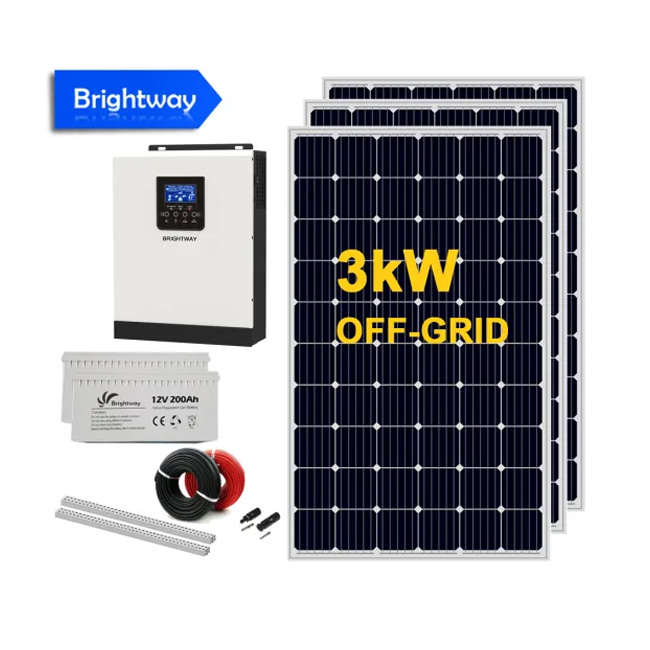
Beyond the standard array, many property owners opt for technical upgrades to enhance energy resilience. These add-ons must be factored into your financial planning.
Extreme weather events and grid instability have made battery storage solutions highly desirable. Advanced lithium battery systems store excess energy generated during the day. You can use this stored power at night or during blackouts. Adding a lithium battery unit is a significant financial commitment. It typically adds $7,000 to $15,000 depending on the required storage capacity.
Modern arrays generate substantial electricity that must route safely through the main electrical panel. Many older homes possess 100-amp panels that cannot safely handle the backfeed. Upgrading to a modern 200-amp panel is often a strict safety requirement. This upgrade typically adds $1,500 to $3,000 to the overall project.
Photovoltaic modules are designed to last decades. Installing them on a roof nearing the end of its lifespan is a poor financial decision. If the roof fails a few years later, you must pay a crew to remove the hardware, replace the roof, and reinstall the array. Always factor in the cost of a roof replacement prior to going green if your current shingles are degrading.
The gross price quoted by a contractor is rarely the final amount you will pay. Government policies at multiple levels are designed to encourage renewable energy adoption by subsidizing the upfront expense.
The most impactful financial lever is the Federal Investment Tax Credit. Currently set at 30 percent for systems installed through 2032, this incentive provides massive relief. Property owners can deduct 30 percent of their total solar panel installation cost directly from their federal tax liability. It is a dollar-for-dollar reduction rather than a mere deduction from taxable income. If your gross bill is $20,000, you receive a $6,000 credit against the taxes owed to the IRS.
State governments and local municipalities may offer additional financial incentives based on your geographic location. These can include direct cash rebates and property tax exemptions. Sales tax waivers on equipment are also common. These localized programs frequently stack with the federal tax credit to maximize savings.
Net metering does not reduce the initial sticker price. However, it is vital for maximizing financial returns. Utility companies credit you for excess electricity sent back to the grid. During sunny summer afternoons, your system overproduces. The excess power spins your meter backward. This generates credits that offset the cost of grid electricity pulled at night or during winter months.
How you choose to pay for your system dictates your long-term return on investment and ownership rights.
Purchasing the system outright offers the highest possible return on investment. Without interest rates or dealer fees eating into margins, the payback period is minimized. Cash buyers own the system immediately. They claim all tax credits directly and enjoy full energy savings from day one.
Specialized loans are the most common pathway for those lacking upfront capital. Many lenders offer zero-down financing options. The goal is to structure the loan so the fixed monthly payment is lower than your previous average utility bill. Because you are financing to own, you remain fully eligible for the federal tax credit.
Leases and Power Purchase Agreements allow property owners to transition to clean energy with zero upfront costs. In a lease, you pay a fixed monthly fee to rent the equipment. In a Power Purchase Agreement, you agree to buy the generated power at a set rate. These options remove maintenance responsibilities but have severe drawbacks. You do not own the system. You cannot claim the federal tax credit. The long-term financial savings are vastly inferior to outright ownership.
Transitioning to renewable energy is ultimately a financial vehicle. Evaluating its worth requires calculating the precise timeline for profitability.
The payback period is the time it takes for energy savings to equal your net capital output. Divide the total net cost of the system by your annual electricity bill savings. If your net cost is $15,000 and the system saves you $2,000 a year, your payback period is 7.5 years. With hardware warrantied for 25 years, this leaves over 17 years of pure financial profit.
Historical data strongly suggests this is a lucrative long-term investment. Aside from decades of reduced utility bills, a fully owned array increases property equity. Studies show homes with sun-powered grids sell for a premium. Buyers are increasingly willing to pay more for built-in energy independence and immunity to rising utility rates.
The gross cost for a standard 10kW system typically ranges from $27,000 to $35,000. This depends on geographic location, roof complexity, and equipment quality. After applying the 30 percent Federal Investment Tax Credit, the net cost drops to between $18,900 and $24,500. This size is generally sufficient to offset the energy needs of a household consuming 1,000 to 1,200 kWh per month.
Reputable contractors provide transparent quotes, but site-specific factors can introduce additional costs. Common hidden expenses include main electrical panel upgrades which can cost $1,500 to $3,000. If your roof is older than 15 years, you may need a replacement prior to installation. Complex trenching for detached garages or specific homeowner association approval fees can also add to the final bill.
DIY kits exist but are strongly discouraged for grid-tied systems. Installation involves hazardous high-voltage electrical work and strict adherence to local building codes. Complex utility interconnection processes are also required. DIY installations often void manufacturer warranties and can lead to severe roof leaks if racking is not sealed correctly by a licensed professional.
The average payback period for a home system in the United States is between 6 and 10 years. This timeline heavily depends on local electricity rates and the amount of direct sunlight your property receives. In states with high utility rates, the payback period can be as short as 4 to 5 years.
The vast majority of professional installations require virtually zero ongoing maintenance. The initial cost covers comprehensive long-term protections. Tier-1 modules and inverters come with 25-year performance warranties. Reputable installers provide workmanship warranties to protect against roof leaks. The only minor maintenance involves occasional cleaning to remove dust or snow.
Adding a rooftop array increases the replacement value of your home. Consequently, your homeowner insurance premium may see a slight increase to cover the new equipment. However, this increase is usually minimal compared to the annual energy savings. It is highly recommended to contact your insurance provider before installation to adjust your coverage limits appropriately.
Standard grid-tied systems automatically shut down during a grid blackout. This is a mandatory safety feature to prevent backfeeding electricity into the grid while utility workers are making repairs. If you want your home to remain powered during an outage, you must install a dedicated battery storage system paired with a hybrid inverter to isolate your home from the grid.
The initial capital required for renewable energy may seem daunting at first glance. However, leveraging tax credits, smart financing, and high-quality hardware makes it a highly profitable endeavor. Selecting the right components is the foundation of a reliable system. Whether you need high-efficiency 450W modules, robust 5kVA inverters, or comprehensive lithium battery storage, choosing proven technology is paramount. Explore the professional-grade solutions at Brightway Solar to find the exact specifications that match your energy goals. Get a customized quote today to start your journey toward complete energy independence.