English
Views: 0 Author: Site Editor Publish Time: 2025-05-29 Origin: Site
Thin film solar panels have revolutionized the renewable energy sector with their lightweight design and flexibility. Unlike traditional solar panels, thin film solar panels offer ease of installation on a variety of surfaces, making them ideal for both residential and commercial applications. This guide delves into the intricacies of installing thin film solar panels, providing a comprehensive understanding for enthusiasts and professionals alike.
The rise in demand for thin film solar panels is attributed to their adaptability and efficiency. As the world shifts towards sustainable energy solutions, understanding the installation process becomes imperative. This guide aims to equip you with the knowledge and practical steps required to successfully install thin film solar panels.
Thin film solar panels are constructed by depositing one or more thin layers of photovoltaic material onto a substrate. The materials commonly used include amorphous silicon, cadmium telluride, and copper indium gallium selenide. Their thinness allows for flexibility, enabling installation on surfaces where traditional rigid panels may not be suitable.
There are several types of thin film solar panels, each with unique properties:
Amorphous Silicon (a-Si): Utilizes non-crystalline silicon and is known for its flexibility and low light performance.
Cadmium Telluride (CdTe): Offers a low manufacturing cost and high absorption rate but poses environmental concerns due to cadmium content.
Copper Indium Gallium Selenide (CIGS): Provides high efficiency and flexibility but at a higher production cost.
Thin film solar panels offer several benefits:
Flexibility: Can be installed on curved or uneven surfaces.
Lightweight: Reduces structural load on buildings.
Ease of Installation: Simplifies the installation process, saving time and labor costs.
Performance in Diffuse Light: Efficient under low light conditions, such as cloudy days.
Conduct a thorough site assessment to determine the feasibility of installing thin film solar panels. Consider factors such as:
Sunlight Exposure: Assess the area's exposure to sunlight throughout the year.
Surface Suitability: Ensure the installation surface can accommodate the panels and supports their weight.
Shade Analysis: Identify potential obstructions like trees or buildings that may cast shadows.
Before installation, check local regulations and obtain necessary permits. Building codes and zoning laws may affect where and how you can install solar panels.
Calculate your energy consumption to determine the number of panels required. This involves analyzing your electricity bills to understand your average energy usage.
Ensure you have all necessary materials and tools for installation:
Thin Film Solar Panels: Choose panels that suit your energy needs and site conditions.
Mounting Hardware: Includes adhesives or mounting brackets specific to thin film solar panel installation.
Inverters: Convert DC output into usable AC power.
Wiring and Connectors: High-quality cables and connectors ensure efficient energy transmission.
Safety Equipment: Harnesses, gloves, and helmets for personal protection.
Tools: Drills, screwdrivers, wire strippers, and multimeters.
Utilizing proper materials not only ensures safety but also enhances the efficiency of your solar panel system.
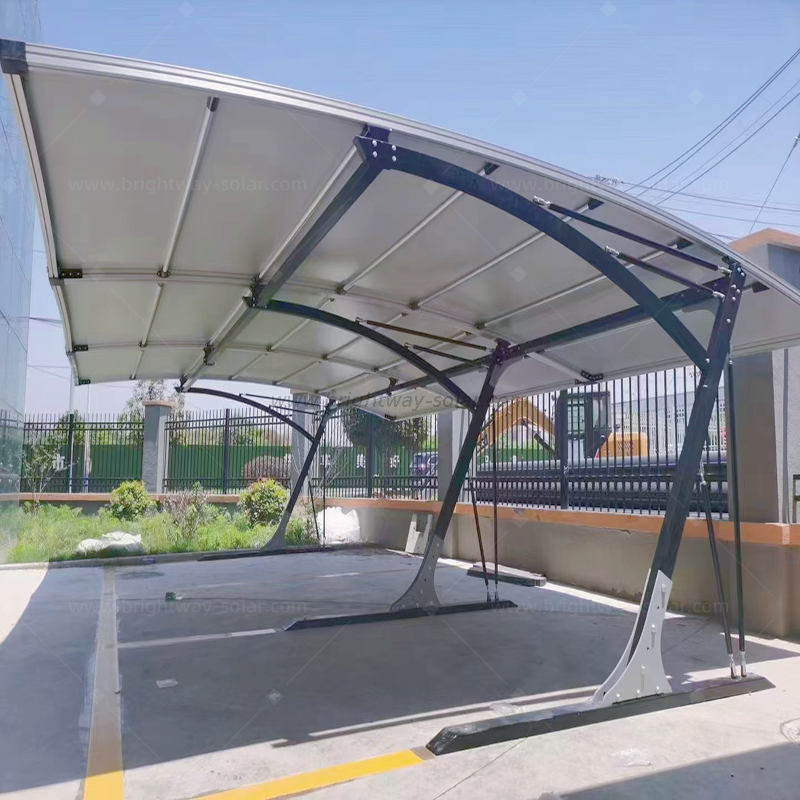
Clean the installation surface thoroughly to ensure proper adhesion or mounting:
Remove any debris, dirt, or oil from the surface.
Inspect for any structural damage that needs repair.
Depending on the mounting method:
Adhesive Mounting: Apply the recommended adhesive evenly and press the panel firmly onto the surface.
Bracket Mounting: Secure brackets to the surface and attach the panels using screws or clamps.
Ensure panels are angled optimally to capture maximum sunlight, typically facing true south in the northern hemisphere.
Connect the panels in series or parallel based on system requirements:
Use appropriate connectors to link panels.
Ensure all connections are tight and secure to prevent energy loss.
Install the inverter at a secure location, protected from weather elements, and connect the panel array to the inverter.
Depending on your system:
Grid-Tied Systems: Connect the inverter output to your main power supply following local utility guidelines.
Off-Grid Systems: Connect the inverter to a battery bank for energy storage.
Consult a certified electrician to ensure compliance with electrical codes and safety standards.
Safety is paramount during installation:
Always wear protective gear, including gloves and safety harnesses when working at heights.
Disconnect power sources before making electrical connections.
Avoid installing in adverse weather conditions.
Follow manufacturer guidelines for all equipment used.
Understanding safety protocols ensures not only personal safety but also the longevity of the thin film solar panel installation.
Conduct periodic inspections to ensure optimal performance:
Check for physical damage or degradation of panels.
Inspect electrical connections for corrosion or wear.
Ensure mounting hardware remains secure.
Keep panels clean from dust, leaves, and snow:
Use soft brushes or cloths to avoid scratching the surface.
Avoid harsh chemicals; use mild soapy water if necessary.
Utilize monitoring systems to track energy production:
Install energy meters or monitoring software.
Analyze data to detect any drops in performance.
Address issues promptly to maintain efficiency.
To maximize the benefits from your thin film solar panels:
Energy Storage Solutions: Incorporate batteries to store excess energy produced during peak sunlight hours.
Energy Efficient Appliances: Use appliances with high energy efficiency ratings to reduce overall consumption.
Smart Inverters: Employ inverters with intelligent features to optimize energy usage and monitor system health.
For advanced solutions, consider integrating with products like solar power systems that offer comprehensive energy management.
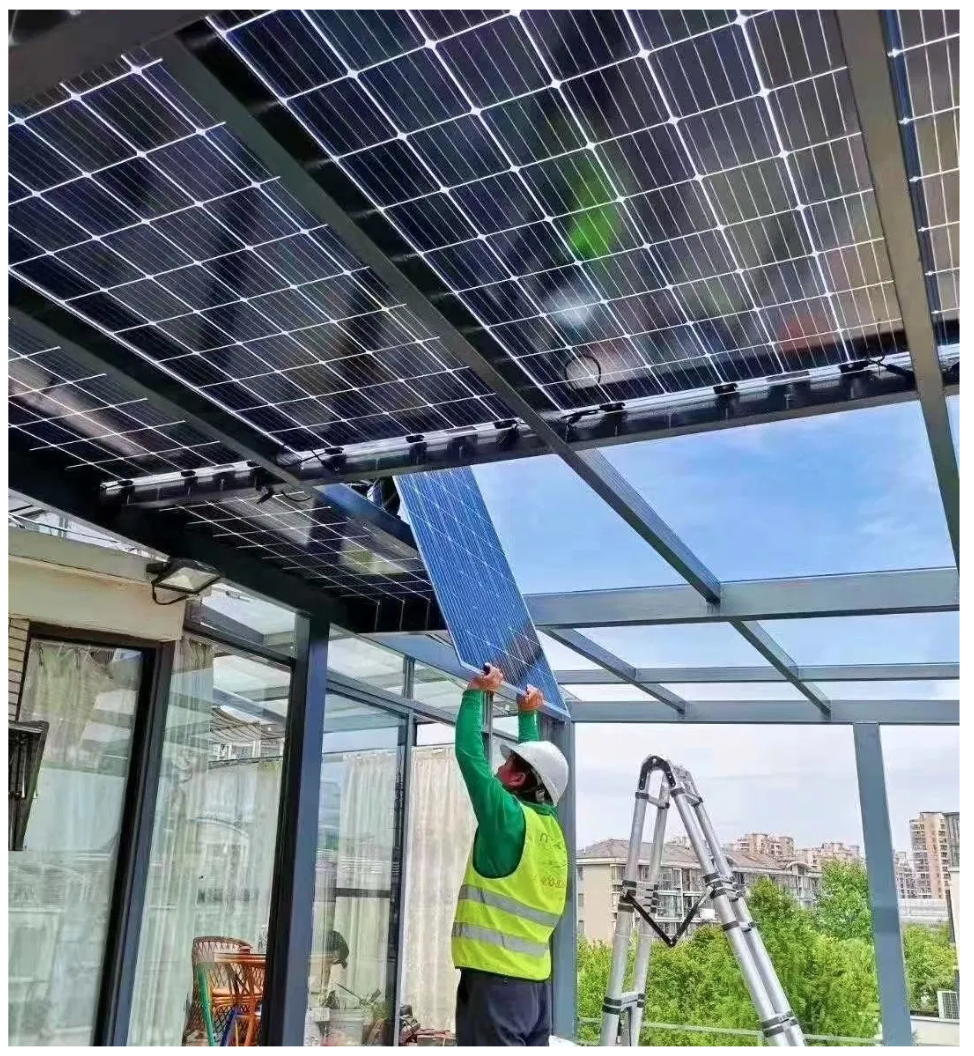
Installing thin film solar panels is a step towards reducing carbon footprints:
Renewable Energy Source: Harnesses solar energy, a clean and inexhaustible resource.
Reduced Greenhouse Emissions: Decreases reliance on fossil fuels, mitigating climate change effects.
Sustainable Development: Promotes energy independence and sustainability for future generations.
Embracing renewable energy solutions contributes to global efforts in environmental conservation.
Investment in thin film solar panels offers long-term economic advantages:
Energy Cost Savings: Reduction in electricity bills due to self-generated power.
Government Incentives: Eligibility for tax credits, rebates, or feed-in tariffs in certain regions.
Increase in Property Value: Solar installations can enhance the market value of your property.
Understanding the financial implications helps in making informed decisions about solar investments.
While there are numerous benefits, be mindful of potential challenges:
Initial Investment: High upfront costs may be a barrier for some individuals.
Energy Yield: Thin film panels generally have lower efficiency compared to traditional panels, requiring more surface area.
Weather Dependency: Energy production is affected by weather conditions and seasons.
Material Disposal: Some thin film panels contain materials that require special disposal methods.
By addressing these challenges proactively, you can ensure a successful installation and operation.
The future of thin film solar panels is promising due to ongoing research and development:
Efficiency Improvements: Innovations are leading to higher conversion efficiencies, closing the gap with traditional panels.
New Materials: Exploration of perovskite and organic materials offers potential for cheaper and more efficient panels.
Integration Opportunities: Development of building-integrated photovoltaics (BIPV) allows panels to be part of the building structure.
Staying informed about technological advancements can help in planning future upgrades or installations.
Installing thin film solar panels is a viable way to contribute to sustainable energy initiatives while reaping economic and environmental benefits. By understanding the installation process, safety measures, and maintenance requirements, you can ensure a successful and efficient energy solution. As technology advances, thin film solar panels will continue to play a significant role in the global shift towards renewable energy.
For more detailed information on products and professional installation services, explore options like flexible thin film solar solutions to meet your specific needs.