English

Views: 0 Author: Site Editor Publish Time: 2026-10-24 Origin: Site
Imagine a harsh winter storm suddenly knocks out your local power grid. The neighborhood plunges into darkness, and your neighbors scramble to find flashlights. Meanwhile, your critical household appliances hum along smoothly. This seamless transition relies on a foundational technology that engineers have quietly perfected over the last century. Flashy new energy storage alternatives dominate the headlines today. Yet, the traditional heavy-duty power reservoir remains the undisputed backbone for millions of off-grid homes, industrial vehicles, and hospital backup systems worldwide.
I have spent years designing and troubleshooting complex power systems in the field. From providing the massive electrical surge required to crank a commercial truck engine to keeping vital data center servers online during unexpected blackouts, this proven chemistry simply works. It handles modern energy demands safely and predictably. This comprehensive technical guide explores exactly how these energy reservoirs function and details the distinct architectural variations available today. Furthermore, we will break down why selecting a traditional configuration is often the most cost-effective, practical foundation for your next renewable energy project.
Empirical Reliability: Backed by over a hundred years of field data, this stable energy storage solution excels in highly demanding, mission-critical environments.
Application-Specific Designs: Configurations are tailored to precise operational needs. You can choose a quick-burst starter unit for vehicles or a thick-plate model for sustained power delivery.
Renewable Integration: Deploying specialized units provides a budget-friendly baseline for building a robust off-grid solar framework.
Closed-Loop Recycling: These power banks feature an incredibly efficient recycling infrastructure, making them one of the most successfully repurposed consumer products globally.
Predictable Maintenance: Adhering to strict charging protocols guarantees years of uninterrupted service and protects your capital investment.
Recent energy sector analyses reveal a fascinating market reality. Rather than fading into obscurity amid the current lithium revolution, the global market for traditional aqueous chemistry is experiencing steady, resilient growth. Industry data points to a consistent compound annual growth rate driven largely by the booming demand for affordable stationary energy storage. Developing regions are rapidly expanding their off-grid infrastructure, requiring massive, budget-friendly power reservoirs.
Specifically, while modern lightweight chemistries dominate the electric vehicle sector, traditional heavy-duty units remain the pragmatic choice for stationary applications. Facility managers and solar installers prioritize thermal safety and upfront cost over weight savings. This economic reality ensures that older, proven technologies will continue to secure a massive share of the global energy storage market for decades to come.
Understanding the internal mechanics is essential for anyone looking to make an informed, long-term infrastructure investment. At its core, this technology relies on a highly stable electrochemical process to store and release electrical energy on demand. There is no magic involved, just reliable physics.
The entire operation hinges on a reversible reaction. Inside the rugged outer casing, positive plates cast from lead dioxide and negative plates composed of highly porous sponge lead sit submerged in a conductive fluid. This fluid is a carefully balanced mixture of sulfuric acid and distilled water.
When you connect a load and draw power, the sulfuric acid reacts vigorously with both plate materials. This chemical interaction produces lead sulfate and water, releasing a steady flow of electrons in the process. These traveling electrons create the exact electrical current that powers your devices. In contrast, connecting the unit to an external charger reverses this exact process. The incoming electrical energy forces the lead sulfate to break down. This drives the sulfate back into the fluid and restores the heavy plates to their original, charged state.
To guarantee safety and consistent performance across thousands of harsh cycles, the internal architecture utilizes several rugged components.
Heavy Grids: The positive and negative plates cast from proprietary alloys dictate the overall capacity and maximum power output.
Electrolyte Fluid: The diluted sulfuric acid medium facilitates the crucial transfer of ions between the plates.
Porous Separators: Non-conductive materials like fiberglass or treated rubber sit wedged between the plates. They prevent catastrophic short circuits while allowing the acidic fluid to pass freely.
Impact-Resistant Casing: Molded from heavy-duty polypropylene, this enclosure protects delicate internal structures from severe vibrations and chemical leaks.
Not all power storage units are built the same. Selecting the correct internal architecture is a critical step in maximizing performance based on your unique environmental conditions.
These represent the most traditional and widely deployed design in the industry. The internal lead grids are completely submerged in free-flowing liquid electrolyte. Flooded models are highly cost-effective and boast excellent longevity if you maintain them meticulously. However, they are not install-and-forget devices. The chemical reaction during active charging causes water to break down into highly flammable hydrogen and oxygen gases. Consequently, you must perform regular visual inspections, top them up with distilled water, and install them in well-ventilated areas to prevent dangerous gas accumulation.
Engineers developed completely sealed units specifically to eliminate the tedious maintenance requirements of their flooded counterparts. Featuring a sealed casing with one-way pressure-relief valves, they safely manage internal gases without venting under normal conditions. The two dominant sub-categories are Absorbent Glass Mat and Gel.
Beyond internal fluid management, we categorize these units strictly by their power delivery profiles. Starter models are packed with dozens of incredibly thin plates to maximize surface area. This architecture allows them to dump a massive, instantaneous burst of current just long enough to crank a heavy engine. Afterward, the vehicle alternator immediately replenishes the spent energy.
By contrast, a deep cycle battery utilizes much thicker, high-density solid plates. While it cannot deliver the sudden jolt needed to start a diesel truck, it is purposefully engineered to provide a steady, continuous trickle of current over many hours. More importantly, this robust internal structure survives being repeatedly drained and recharged without warping the internal grids.
Battery Type | Maintenance Level | Upfront Cost | Best Application Scenario |
|---|---|---|---|
Flooded Wet Cell | High requires regular watering | Lowest | Large off-grid solar setups with dedicated ventilation |
Absorbent Glass Mat | Zero maintenance | Moderate | Indoor backup power and high-vibration environments |
Silica Gel | Zero maintenance | Highest among traditional types | High-temperature regions requiring slow discharge |
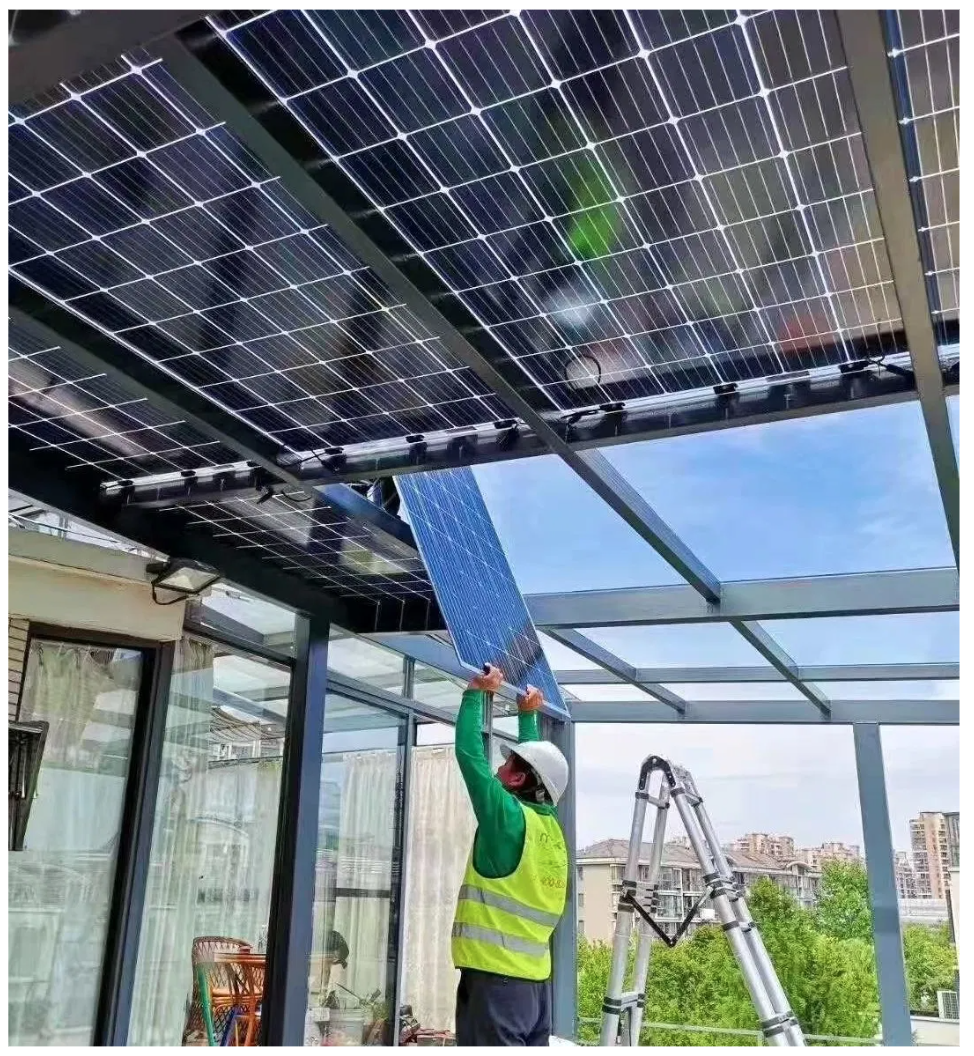
You might wonder why anyone still buys older technology when newer alternatives exist. The answer comes down to sheer pragmatism. For applications where extreme weight is not a restrictive factor, traditional heavy-duty units remain the most economically viable workhorse available.
The primary advantage keeping this technology relevant is its incredibly low barrier to entry. When calculating the initial capital expenditure for large-scale backup systems, traditional units consistently offer a significantly lower upfront cost per kilowatt-hour. For budget-conscious facility managers needing massive capacity, this affordability makes large-scale deployment realistic.
When dealing with dense energy storage, safety is absolutely paramount. The water-based chemistry is inherently stable and thoroughly understood by field technicians. Unlike tightly packed modern configurations, these older models are highly resistant to thermal runaway. Thermal runaway is a dangerous, self-sustaining chain reaction that leads to uncontrollable fires. This predictable thermal profile makes traditional units the undisputed choice for indoor residential basements and crowded hospital life-support backups.
The incredible versatility of this chemistry allows it to seamlessly integrate into critical systems across wildly different sectors.
In the split second a utility grid fails, a seamless transition is critical to prevent data loss. These dependable power banks sit quietly on a float charge for months. The moment the grid drops, they instantly provide reliable backup power to keep enterprise servers and medical ventilators running until primary power returns.
Heavy-duty industrial logistics require rugged, uncompromising power sources. High-capacity, multi-cell banks are the primary motive force for warehouse forklifts and heavy pallet jacks. Interestingly, their inherent physical weight acts as a necessary counterbalance to prevent forklifts from tipping over. This brilliantly turns a physical drawback into a crucial operational advantage.
As renewable energy adoption accelerates, consumers desperately need dependable methods to capture the electricity generated during bright daylight hours. You need that power for use during the night or through heavy rainstorms.
For homeowners seeking energy independence without taking out a second mortgage, integrating a lead acid solar battery into the setup is a highly strategic move. They are highly tolerant of fluctuating environmental conditions and deliver a fantastic return on investment for remote cabins.
Designing a properly scaled solar battery bank requires precise load calculations. First, audit your daily power consumption in watt-hours. Divide this by your system direct current voltage, typically twelve, twenty-four, or forty-eight volts, to find your required Amp-hours. For example, pairing a standard 3kW to 5kVA solar generation system with high-efficiency 450W solar panels generates massive daytime power. You need a reservoir big enough to capture it without strain. Since traditional heavy-duty units should only be discharged to fifty percent capacity, you must double your calculated Amp-hour requirement. This strict buffer prevents internal grid warping.
Connecting raw storage units to a broader renewable array requires specialized hardware. Solar panels generate raw direct current, which flows into a smart charge controller. When you need to brew coffee or run a computer, the stored energy routes to solar inverters. These devices seamlessly transform the raw power into the safe alternating current required by standard household wall outlets.
When finalizing a major energy storage purchase, buyers invariably weigh traditional technology against modern lithium alternatives. Both possess distinct operational profiles.
The most glaring difference lies in the immediate financial outlay. Traditional units require only a fraction of the upfront capital. If a project has strict budget constraints, the older chemistry is the clear winner. However, lithium generally offers a significantly longer operational lifespan and requires zero physical maintenance. For users prioritizing a hands-off system over a fifteen-year horizon, lithium presents better long-term value.
Depth of Discharge refers to the percentage of total capacity consumed before recharging. To maximize operational lifespan, traditional heavy-duty units should ideally be discharged to only fifty percent of their total capacity. Pushing them to eighty percent regularly causes irreversible internal scarring. By contrast, modern lithium cells can routinely be drained to ninety percent without suffering structural degradation. Despite this limitation, traditional units remain the absolute most economical choice for standby emergency setups cycled only a few times a year.
Protecting your financial investment requires strict adherence to specific operational guidelines. Proper, proactive maintenance easily extends the functional life of your system by several years.
Chronic undercharging or aggressive overcharging is the leading cause of premature failure in the field. Undercharging leads to sulfation, a fatal condition where soft sulfate hardens into impenetrable crystals on the plates, permanently choking off capacity. Conversely, overcharging generates extreme internal heat and literally boils away the vital fluid. Utilizing a high-quality, multi-stage smart charger is non-negotiable. These devices automatically cycle through rapid bulk charging, slower absorption phases, and a gentle float charge to maintain perfect internal health.
Internal chemistry is highly sensitive to ambient weather. Extreme summer heat accelerates internal grid corrosion. Freezing winter temperatures severely slow down the chemical reaction, temporarily reducing available power. Always store your power banks in a cool, dry, climate-controlled environment.
If you operate flooded models, hands-on proactive maintenance is mandatory. Inspect the individual cells monthly. Check the fluid levels and carefully add pure distilled water when necessary. Never use tap water, as microscopic minerals will quickly poison the internal chemistry. Additionally, clean the exterior terminals with a simple paste of baking soda and water to prevent power-robbing corrosion.
Far from being rendered obsolete, traditional aqueous chemistry remains an absolute powerhouse in the modern energy landscape. Its unmatched initial affordability, inherently stable safety profile, and proven mechanical reliability make it an enduring, practical solution. Whether you are cranking heavy-duty machinery or building the resilient backbone of an off-grid solar cabin, this technology delivers consistent results.
Ultimately, selecting the perfect energy storage medium depends entirely on an objective assessment of your specific daily power requirements and budget constraints. By fully understanding the operational parameters of these robust units, you can secure dependable, long-term power without overspending. We highly encourage you to explore comprehensive, tailored storage solutions. Evaluate the robust 3kW to 5kVA solar systems, high-efficiency 450W panels, and premium storage configurations at Brightway Solar today to design the ideal renewable setup for your specific industrial or residential needs.
The operational lifespan heavily depends on the specific sub-type, ambient operating temperature, and the strictness of your maintenance routine. A well-maintained unit used daily in renewable energy systems can comfortably last three to five years. However, in standby applications where the unit is kept on a float charge and rarely depleted, they can easily provide reliable service for up to ten years.
Absolutely not. Standard automotive starter units are exclusively designed to deliver a massive, split-second surge of power to crank an engine. They cannot physically handle being deeply discharged. Attempting to use a standard car unit for daily solar storage will quickly overheat and warp its paper-thin internal plates, destroying it in a matter of months. A dedicated heavy-plate unit is structurally required to survive daily drain-and-fill cycles.
While both are completely sealed and maintenance-free, the primary difference lies entirely in how the internal fluid is suspended. The glass mat design utilizes a tightly packed fiberglass mesh to absorb the acid, making it phenomenal for delivering high power bursts and accepting rapid recharges. Gel units use a silica chemical additive to turn the acid into a thick paste, making them incredibly resistant to extreme heat and ideal for very slow, prolonged discharges.
For maximum operational lifespan and internal health, you should generally never discharge these specific units below fifty percent of their total rated capacity. While you can technically drain them further in an absolute emergency, doing so on a daily basis will severely accelerate internal plate degradation and drastically reduce the total number of usable charge cycles.
Sealed variants are perfectly safe for indoor residential use because they are completely spill-proof and do not emit toxic fumes under normal operating conditions. Flooded models, however, actively vent highly flammable hydrogen and oxygen gases during their routine charging process. Consequently, you must strictly install flooded units in highly ventilated outdoor sheds or specialized boxes to prevent severe explosion hazards.
Temperature plays a massive role in electrochemical efficiency. For every ten degrees Celsius drop below standard room temperature, the chemical reaction slows down, effectively reducing your available usable capacity by roughly ten percent. Conversely, operating the units in extreme heat temporarily increases available capacity but drastically accelerates internal corrosion, effectively cutting the total lifespan of the unit in half.
Optimal charging parameters depend on the specific stage of the charge cycle. For a standard twelve-volt deep discharge unit, the bulk charging phase should typically hit between fourteen point two and fourteen point four volts. Once fully saturated, the smart charger must drop the voltage to a steady float charge of roughly thirteen point two to thirteen point four volts to maintain capacity without boiling the internal fluid.