English

Views: 0 Author: Site Editor Publish Time: 2026-10-04 Origin: Site
Did you know dirty solar panels quietly steal your hard-earned energy savings? Far from being mere cosmetic annoyances, accumulations of dust, smog, and bird droppings trigger tangible financial losses over time. When left unattended, this particulate matter creates a physical barrier that prevents sunlight from reaching the silicon cells. In this comprehensive guide, you will learn essential photovoltaic panel cleaning strategies to protect your investment, avoid permanent hardware damage, and maximize your daily energy output.
Performance Impact: Regular washing can boost energy production by 5 to 25 percent, depending heavily on your local environment and weather patterns.
Maintenance Best Practices: Avoid harsh chemicals and abrasive tools to prevent permanent damage to the delicate anti-reflective coating on the glass.
The Right Timing: Seasonal upkeep is usually sufficient for most systems. However, local factors like heavy pollen, desert dust, or urban pollution may necessitate more frequent attention.
Safety First: When in doubt, prioritize professional services to avoid dangerous falls or electrical hazards associated with roof-mounted systems.
Photovoltaic modules generate electricity by allowing photons to excite electrons within the silicon lattice. Consequently, when a physical barrier like fine desert sand, urban smog, or sticky ash coats the glass, light transmittance drops sharply. As field engineers frequently observe, this reduction in irradiance directly chokes the direct current output. Empirical studies demonstrate that while light soiling might only cause a minor drop in efficiency, heavy accumulation in dry regions can slash output by up to a quarter. Consistent sanitizing ensures your system operates at its rated capacity, maximizing your true financial yield.
Beyond simple yield reduction, concentrated shading from bird droppings or wet leaves triggers severe localized heating. When a specific cell is heavily shaded, its internal resistance spikes. It stops producing power and begins dissipating the energy generated by its neighboring cells as heat. Over countless thermal cycles, this extreme temperature fluctuation degrades the protective backsheet, destroys the cell structure, and permanently reduces the lifespan of the entire module. Routine care prevents these destructive hot spots from ever taking root.
Evaluating the financial viability of a professional cleaning crew requires a simple calculation. You must compare the value of the lost energy directly against the service cost. Treating maintenance as an operational investment rather than a nuisance expense fundamentally shifts your perspective on system management.
Metric | Scenario A: Neglected Panels | Scenario B: Maintained Panels |
|---|---|---|
System Size | 10 kW | 10 kW |
Annual Output Potential | 15,000 kWh | 15,000 kWh |
Soiling Loss Percentage | 15 percent loss | 2 percent loss |
Actual Output | 12,750 kWh | 14,700 kWh |
Energy Lost | 2,250 kWh | 300 kWh |
Financial Loss at $0.15 per kWh | $337.50 lost | $45.00 lost |
If a professional service costs $150, spending that money in the neglected scenario saves you significant capital in lost energy, resulting in a clear net gain. Therefore, rigorous upkeep is a non-negotiable strategy to protect your financial returns.
The optimal time for array maintenance depends heavily on seasonal shifts. Picture a crisp spring morning where everything is covered in a thick, yellow film of pollen. While beautiful, this sticky residue wreaks havoc on your solar production. Summer often brings dry, dusty conditions. A standard engineering recommendation is to schedule a wash at the end of spring to clear away pollen, and another at the end of autumn to remove fallen leaves and summer dust. This perfectly prepares the system to capture maximum sunlight during the shorter, darker days of winter.
You do not always need to wait for a scheduled date to know it is time for action. There are clear visual and digital indicators that your solar panel maintenance routine is lagging. A visible layer of brown or gray film on the glass, especially pooling at the bottom edges of the aluminum frames, is a primary indicator. Frequent bird activity also demands immediate attention, as their droppings are highly acidic and can etch the tempered glass. Furthermore, a sudden, unexplained drop in daily energy production on your inverter tracking app during perfectly sunny weather is a guaranteed sign of surface obstruction.
Your geographical location dictates how aggressively you need to manage your system. Coastal salt mist requires a vastly different approach than rural agricultural dust. Understanding your local contaminants is the first step in building a resilient maintenance plan.
Environment Type | Primary Contaminants | Recommended Cleaning Frequency |
|---|---|---|
Coastal Areas | Salt mist, seagull droppings, sand | Two to three times a year. Salt accumulation causes severe frame corrosion if ignored. |
Desert and Arid Regions | Fine dust, sandstorms, lack of rain | Three to four times a year. A lack of rainfall means natural washing never occurs. |
Urban and Industrial | Smog, exhaust soot, construction dust | Twice a year. Soot creates a sticky, oily film requiring thorough agitation. |
Suburban and Rural | Pollen, leaves, agricultural dust | Once or twice a year. Usually manageable with basic seasonal schedules. |
A common misconception among property owners is that a quick spray with a standard garden hose is sufficient for sanitizing an array. However, municipal tap water is rarely pure. Professional technicians use specialized water-fed poles equipped with ultra-soft, scratch-resistant brush heads. More importantly, they utilize laboratory-grade deionized water systems. Because deionized water has had all its mineral ions stripped away, it acts almost like a magnet. It pulls dirt and grime off the panel effortlessly without ever requiring harsh chemical detergents.
Using untreated tap water introduces hard water to your solar glass. Hard water contains high levels of dissolved calcium and magnesium. When the sun rapidly evaporates the tap water left on your panels, these minerals are left behind, baking into a hard, white, chalky residue. Over multiple washings, this mineral scaling creates a permanent cloudy layer on the glass. In stark contrast to a clean panel, this scaling blocks sunlight just as effectively as the original dirt, defeating the entire purpose of washing the system in the first place.
When field experts arrive to service a system, they follow strict standard operating procedures to ensure both safety and maximum electrical efficiency. First, they conduct a visual system assessment to spot loose wires or nesting animals before applying any moisture. Next, they gently dry brush the array to sweep away loose leaves and heavy top-layer dust, preventing the creation of a muddy smear. They then pump purified deionized water through a specialized brush head to agitate and lift the bonded grime. Finally, they perform a spot-free rinse, allowing the panels to air dry perfectly clear before verifying that the inverter power output has normalized.
Do use deionized or reverse osmosis water: This guarantees a streak-free, mineral-free finish that maximizes light absorption.
Do clean during early morning or late evening: Solar glass can get incredibly hot during the middle of the day. Cleaning them when they are cool prevents the water from evaporating too quickly and avoids dangerous temperature fluctuations.
Do use soft, non-abrasive tools: Microfiber cloths, soft-bristle brushes, and squeegees with plastic handles protect the anti-reflective coating on the glass.
Don't use pressure washers: High-pressure water can force moisture under the glass seals, causing internal corrosion and immediate system failure.
Don't use abrasive soaps or solvents: Harsh detergents strip away the factory-applied coatings designed to increase light transmission.
Don't risk thermal shock: Spraying cold water onto extremely hot panels at noon can cause the tempered glass to shatter instantly due to rapid thermal contraction.
Don't walk on the panels: While panels are designed to withstand snow and wind loads, the concentrated weight of a human foot causes invisible micro-cracks in the silicon cells, permanently ruining the module.
Working at heights introduces significant physical risks. Standard safety protocols require the use of approved safety harnesses, secure roof anchors, and slip-resistant footwear. Whenever possible, professionals use lightweight carbon-fiber reach poles that extend up to 40 feet. This specialized gear allows them to sanitize roof-mounted arrays safely from the ground, entirely eliminating fall hazards and liability concerns.
While keeping the glass surface free of debris is essential for optimal light absorption, a comprehensive approach to system health requires looking far beyond the surface. Effective solar module maintenance encompasses a holistic evaluation of your entire photovoltaic array. Relying solely on washing can leave underlying mechanical or electrical issues undetected, which inevitably leads to severe performance degradation.
One of the most critical issues field technicians look for is the development of micro-cracks. These microscopic fractures within the silicon cells are often invisible to the naked eye. They are typically caused by severe hail, improper handling during installation, or the physical stress of an untrained person walking on the array. Furthermore, the underlying electrical and structural components require equal attention. Direct current cables are exposed to intense ultraviolet radiation, which degrades insulation over time. Periodic inspections verify that all mounting clamps are properly torqued and that galvanic corrosion has not compromised the racking system.
In the modern era of renewable energy, diagnostic software is just as important as physical inspection tools. Your system’s inverter acts as the brain of your solar array. Most contemporary inverters come equipped with sophisticated monitoring platforms that provide real-time data on energy production.
Using this software is a highly effective diagnostic tool. By establishing a baseline of your system's expected performance under specific weather conditions, you can easily spot abnormal deviations. For example, if you observe a gradual, steady decline in energy production during a dry season, it is a strong indicator that soil accumulation is blocking sunlight. Conversely, a sudden, sharp drop usually points to a localized hardware failure, allowing you to transition from reactive repairs to proactive management.
To maximize your return on investment, physical washing and technical inspections must be integrated into a unified, long-term protocol. Ad hoc upkeep often leads to inconsistent performance and missed diagnostic opportunities. By scheduling professional cleanings alongside annual electrical audits and structural inspections, you ensure that your system operates safely and efficiently for its entire design lifespan.
Maintenance Task | Frequency | Objective |
|---|---|---|
Inverter Data Review | Monthly | Track yield trends and identify sudden performance drops indicating hardware faults. |
Visual Array Check | Bi-Annually | Spot obvious debris accumulation, bird nesting, or visible physical damage. |
Surface Cleaning | Annually or Bi-Annually | Remove accumulated dust, pollen, and grime to restore optimal light transmittance. |
Comprehensive Inspection | Annually | Check for micro-cracks, verify wiring integrity, and ensure mounting hardware is secure. |
Looking at the broader renewable energy landscape, the methodology behind array upkeep is rapidly evolving. Recent field data highlights a massive shift toward automated and waterless cleaning technologies. Specifically, in arid utility-scale environments where water conservation is paramount, electrodynamic dust shields and robotic dry-brushing systems are gaining immense traction. Furthermore, the integration of artificial intelligence in predictive maintenance software allows operators to pinpoint the exact moment when soil accumulation outweighs the cost of a truck roll. These technological advancements underscore a crucial industry consensus. Proactive, data-driven maintenance is permanently replacing the outdated reactive mindset, ensuring modern arrays operate at peak thermal and electrical efficiency year-round.
For certain property owners, a do-it-yourself approach is practical and cost-effective. The primary determining factor is accessibility. If your solar panels are ground-mounted, installed on a low-pitch roof, or easily accessible from a sturdy commercial deck with parapet walls, DIY washing is highly manageable. As long as you invest in a proper water-fed pole and a basic water filtration unit, you can safely maintain these accessible systems without professional intervention.
However, for the vast majority of residential installations, panels are mounted on sloped roofs, often multiple stories above the ground. In these situations, the risks associated with DIY cleaning increase exponentially. Navigating a pitched roof while handling wet equipment introduces a severe risk of slips and falls.
Beyond personal safety, improper techniques can instantly void your manufacturer’s warranty. Using a pressure washer, applying harsh chemicals, or accidentally scratching the glass with stiff brooms violates strict maintenance clauses. Manufacturers will not cover damage caused by user error during unauthorized maintenance. If a panel fails due to water ingress from a high-pressure hose, the financial burden of replacing the equipment falls entirely on you.
Hiring experts provides peace of mind that far outweighs the service fee. Professional technicians carry comprehensive liability insurance and workers compensation, meaning you are protected if accidental damage occurs to your roof or the panels. They possess commercial-grade deionized water systems and compliant safety rigging that the average homeowner simply does not own. Additionally, many professional services provide a detailed health report post-cleaning, alerting you to early signs of wiring degradation or pest infestations.
The frequency and difficulty of your maintenance routine are heavily dictated by the initial quality of the hardware you install. Treating solar panels as a mere commodity ignores profound differences in engineering. Premium solar manufacturers utilize high-transmission, tempered glass treated with advanced hydrophobic and anti-reflective coatings. A hydrophobic surface repels water, causing rain to bead up and roll off quickly, encapsulating surface dust along the way. Lower-tier panels often lack these advanced coatings, meaning muddy water pools on the surface and bakes dirt directly onto the glass.
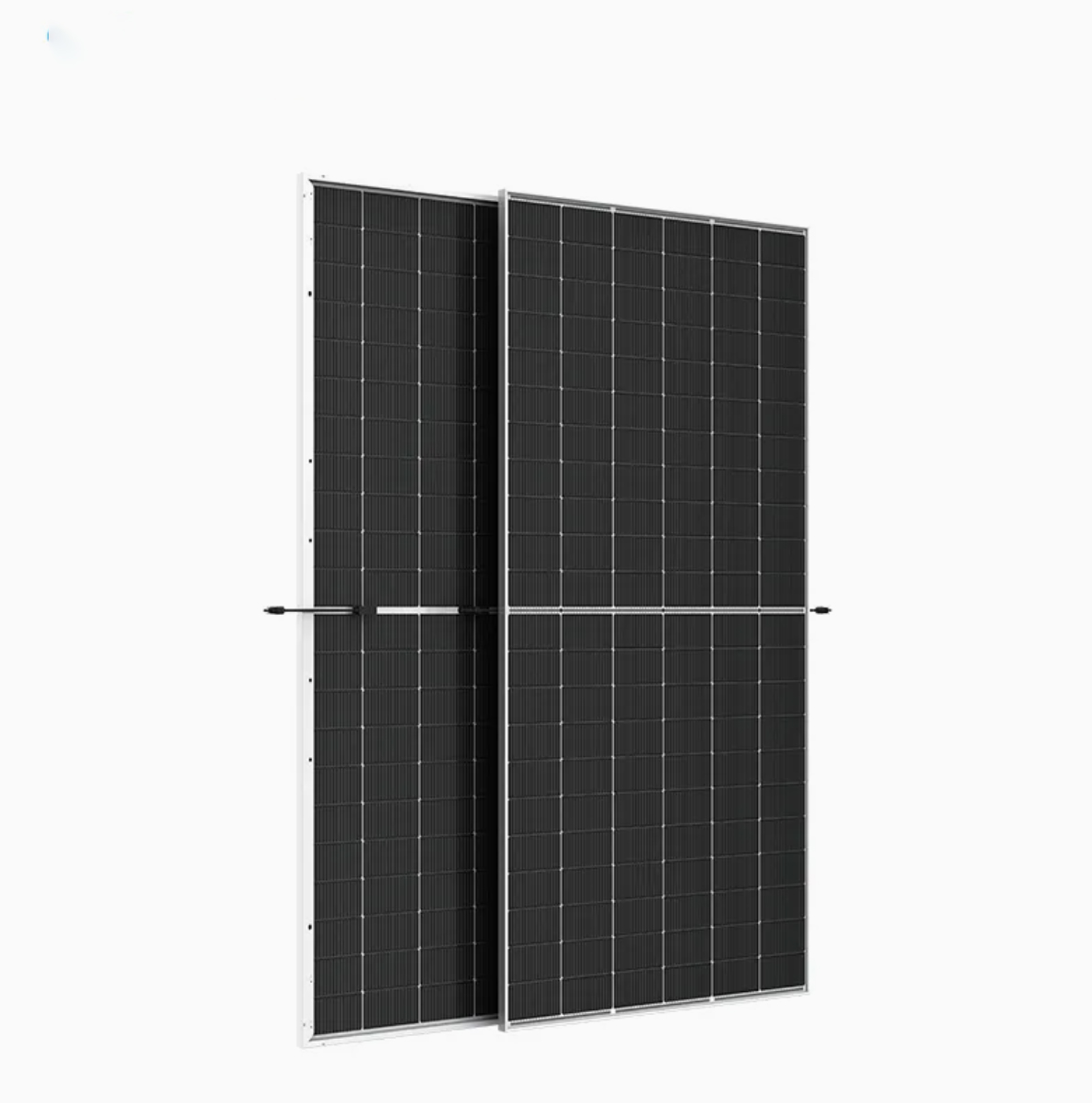
To minimize future maintenance headaches, it is crucial to start with hardware engineered for environmental resilience. Consider high-efficiency bifacial modules featuring robust 132-cell architectures. For instance, advanced 620W bifacial panels combine high-transmission tempered glass with specialized structural designs to maximize yield while minimizing upkeep. These high-capacity systems feature engineered aluminum frames with precise drainage corners. This specific structural choice allows water and debris to flow off the panel unobstructed, preventing the buildup of hard scaling at the bottom edges.
Ultimately, the longevity of your renewable energy system is a partnership between the quality of the manufacturing and the consistency of your upkeep routine. Selecting a provider that adheres to rigorous quality control protocols ensures that your panels will not suffer from premature degradation. Investing in maintenance-friendly, high-yield hardware drastically reduces your long-term operational costs and guarantees decades of reliable performance.
Consistent array upkeep is not an optional chore; it is a vital investment in your system’s longevity. Routine care prevents permanent thermal damage, boosts daily efficiency, and ensures you capture every possible kilowatt-hour from the sun. Neglecting this essential task leads to compounding financial losses over time. We strongly encourage you to audit your current system performance today and check your inverter data for unexplained drops. If you are planning a new installation or upgrading an aging system, selecting premium, low-maintenance hardware is your first line of defense. Explore high-efficiency, durable solutions at Brightway Solar to safeguard your renewable energy future and maximize your true yield.
While a quick rinse with a standard garden hose might successfully remove loose, superficial dust, it is highly discouraged as a primary washing method. Municipal tap water contains high levels of dissolved minerals like calcium and magnesium. When this water evaporates on the hot surface of your panels, it leaves behind hard mineral deposits. Over time, this scaling creates a cloudy film over the glass that blocks sunlight and is incredibly difficult to remove without professional chemical treatments. Deionized or reverse-osmosis water is the strict industry standard because it evaporates cleanly, leaving a flawless, streak-free surface.
Generally, scheduling a thorough sanitization one to two times per year is sufficient for most residential and commercial systems. However, this baseline varies significantly based on your specific geographic location and local environmental factors. If your property is located near agricultural areas with heavy seasonal pollen, in a desert region prone to dust storms, or near a busy highway with high particulate pollution, you may need to clean your array quarterly. Monitoring your inverter data is the best way to determine your optimal frequency.
It certainly can, if executed improperly. Solar panel warranties contain strict clauses regarding unauthorized maintenance. Using high-pressure sprayers, abrasive sponges, wire brushes, or harsh chemical detergents will strip the delicate anti-reflective coating from the glass and compromise the weatherproof seals. If a manufacturer determines that a panel failed due to these improper methods, your warranty claim will be denied. Always consult your specific owner manual and rely on soft, non-abrasive tools and purified water.
Absolutely never. While solar panels are engineered to withstand significant static loads like heavy snow accumulation, they are not designed to support the concentrated, dynamic weight of a human foot. Walking, kneeling, or leaning heavily on the glass will cause the silicon cells underneath to flex and fracture. These resulting micro-cracks are completely invisible to the naked eye but will permanently disrupt the flow of electricity, creating dangerous hot spots and drastically reducing the overall energy production of the module.
The efficiency loss depends heavily on the severity and type of soil buildup. Objective industry studies indicate that lightly dusted panels may only experience a marginal drop of 1 to 5 percent. However, in cases of severe neglect where panels are coated in thick layers of pollen, dense urban smog, bird droppings, or wildfire ash, energy output can plummet by 15 to 25 percent. Over the lifespan of a 20-year system, even a consistent 10 percent loss translates to thousands of dollars in unrealized energy savings, making routine care a financially sound decision.
Rain helps wash away loose dust but is entirely insufficient for removing sticky grime, bird droppings, or industrial pollution film. Think of it like a car windshield. Rain alone will not remove baked-on dirt without the mechanical agitation of wiper blades and cleaning fluid. In fact, light rain can sometimes make panels dirtier by turning surface dust into a sticky mud that dries onto the glass.
The absolute best times to clean your system are early in the morning or late in the evening. Washing hot glass at noon causes rapid water evaporation, which leaves behind hard mineral streaks even if you use filtered water. More importantly, spraying cold water onto scorching hot solar glass risks severe thermal shock. This rapid temperature change can cause the tempered glass to shatter instantly, permanently destroying the module.