English

Views: 0 Author: Site Editor Publish Time: 2026-10-17 Origin: Site
Dreaming of true energy independence? Living or operating a business disconnected from the main utility grid offers incredible freedom. This lifestyle is especially appealing in remote areas untouched by traditional infrastructure. Achieving that level of self-reliance requires more than just mounting a few photovoltaic panels on your roof.
While those panels excel at collecting raw solar energy, you cannot simply plug your refrigerator or laptop directly into them. The electricity generated on your roof is fundamentally incompatible with standard household outlets. To bridge this critical gap, you need a specialized central processor for your entire electrical operation.
In this comprehensive technical guide, we break down exactly how these essential devices transform raw sunshine into the reliable electricity that powers your daily life.
The central processing unit of a renewable setup converts Direct Current electricity from panels and batteries into usable Alternating Current.
Off-grid configurations require robust hardware to manage battery charging and heavy load discharging without any utility support.
Proper equipment selection relies on evaluating continuous wattage, surge capacity, and ensuring a pure sine wave output to protect sensitive electronics.
Pairing a high-efficiency conversion unit with a reliable storage solution forms the bedrock of a stable independent power system.
At a fundamental engineering level, this sophisticated electronic device acts as a format translator for electrical energy. Modern home appliances would be completely useless in a renewable energy setup without this transformative process.
Solar panels produce Direct Current. In this type of circuit, electrons flow steadily in a single unidirectional path. Batteries also store their chemical reserves in this exact format. Your home appliances are engineered to run on Alternating Current. From the coffee maker brewing your morning roast to the HVAC compressor cooling your living room, these devices expect an electrical flow that periodically reverses direction. This reversing wave is the universal standard for utility grids across the globe.
Think of a high-quality solar inverter as the master translator. Your roof array and storage banks speak one language, while your toaster and television only understand another. The conversion unit intercepts raw direct signals and translates them into a clean, rhythmic alternating wave. This seamless translation ensures your household devices receive the precise electrical profile they need to operate safely and efficiently.
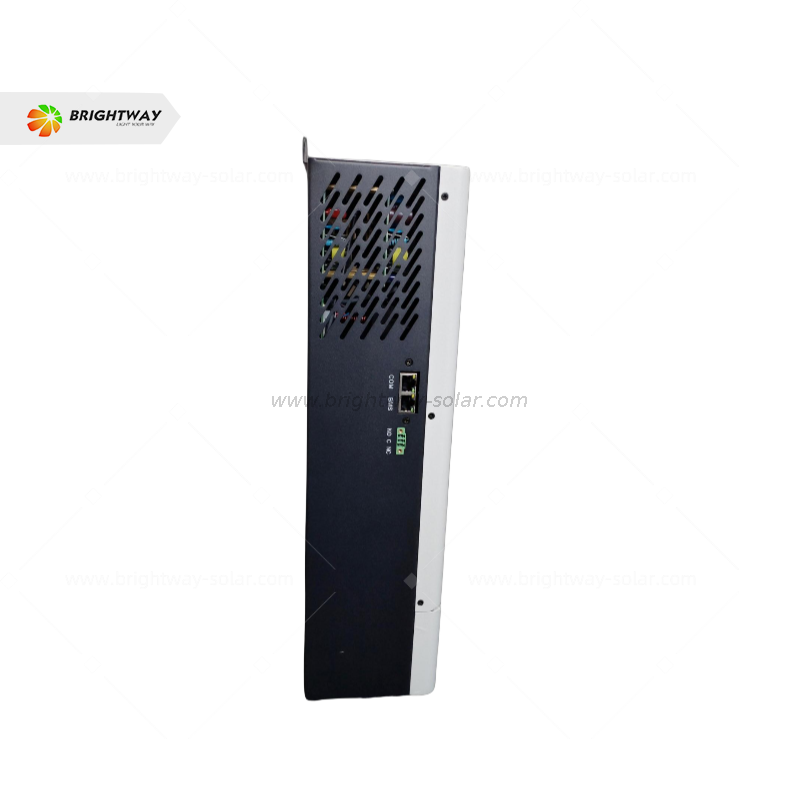
Recent industry analyses point to a massive shift in the renewable sector. As extreme weather events increase grid vulnerability worldwide, the demand for robust independent setups has skyrocketed. Market data shows a growing trend toward decentralized residential micro-grids. Modern conversion units are rapidly evolving to meet this demand. They have transitioned from simple power converters into intelligent energy management hubs equipped with advanced diagnostic software to handle complex isolated loads.
Isolated setups are entirely self-reliant. They depend heavily on stored energy to survive the night or weather out a multi-day storm. When the sun goes down, the system seamlessly shifts its focus. It begins drawing power directly from your battery bank. A steady alternating output is maintained so your essential appliances keep running without a single flicker of the lights.
Sensitive electronics demand absolute stability. A sudden voltage spike or drop can destroy a computer motherboard in milliseconds. A field-tested unit continuously monitors the fluctuating input from your batteries and strictly regulates the output voltage. This vigilant regulation prevents damaging power spikes and dreaded brownouts. It acts as a built-in shield for your valuable kitchen appliances and office equipment.
Beyond simple conversion, this hardware takes on the role of a traffic controller. Modern units frequently integrate directly with charge controllers to monitor the exact state of your solar storage battery. By preventing the cells from draining below a critical safety threshold, the internal software actively protects the chemical integrity of your storage investment.
The journey from a ray of sunlight to a spinning microwave plate involves several distinct and highly orchestrated stages.
The process kicks off on your roof or ground mount. Photovoltaic cells absorb incoming sunlight. This excites internal electrons to create a steady flow of direct electricity.
Because isolated setups operate independently, that raw power typically routes to a storage bank first. The energy passes through a charge controller to ensure safe voltage limits. It is then securely deposited into your battery racks for later use.
When you flip a light switch, the conversion hardware jumps into action. Internal solid-state components known as insulated-gate bipolar transistors rapidly switch the incoming voltage on and off. This high-speed oscillation forces the electricity to mimic the smooth rising and falling curve of an alternating sine wave.
The newly minted and stable electricity travels directly to your home electrical breaker panel. From there, it is distributed to your wall outlets. It powers your daily essentials just as if you were connected to a massive city grid.
Choosing the correct underlying technology dictates the flexibility of your future energy setup. Your decision ultimately hinges on your property proximity to traditional utility lines and your desire for automated backup options.
System Feature | Pure Off-Grid Architecture | Hybrid Architecture |
|---|---|---|
Grid Connection | Physically isolated from utility lines. | Synchronizes with the utility grid and batteries. |
Primary Use Case | Remote cabins, RVs, isolated homesteads. | Suburban homes wanting backup security. |
Excess Energy Routing | Stored in batteries or lost if batteries are full. | Can be sold back to the utility grid for credits. |
Backup Automation | Relies strictly on solar arrays and local generators. | Automatically pulls from grid if local batteries deplete. |
Designed for complete isolation, a pure standalone setup creates a private micro-grid. It operates entirely independently by relying only on your panels and batteries. This makes it the undisputed champion for remote hunting cabins and isolated homesteads where utility lines simply do not exist.
If you want the best of both worlds, a hybrid solar power system offers unparalleled versatility. While it effortlessly handles isolated loads, it maintains the intelligence to connect to the utility grid. Should a brutal winter storm drain your reserves to a critical level, the hybrid unit automatically switches to the city grid. You are never left shivering in the dark.
Not all hardware is created equal. When evaluating your options from an engineering standpoint, you must scrutinize a few core specifications to ensure the unit can handle the rigorous demands of a residential home.
Always prioritize a pure sine wave model. Cheaper modified versions produce a blocky and choppy electrical current. While fine for a basic incandescent lightbulb, this dirty power will cause audio equipment to hum aggressively. It frequently leads to the premature catastrophic failure of delicate appliance motors and medical devices.
To size your system correctly, you must calculate your continuous energy needs. This requires adding up the running wattage of every appliance you might reasonably use at the exact same time. For a standard residential application, selecting a unit like a 3500W single-phase 230VAC inverter provides a highly reliable baseline. A 3.5kW capacity comfortably handles lighting, refrigeration, and standard electronics without repeated thermal shutdowns.
Continuous wattage is only half the battle. Starting an appliance takes significantly more effort. Devices with heavy electric motors require a massive split-second spike in electricity to start moving. A well pump or a large air conditioning compressor can draw three times its running wattage during startup. A robust surge capacity ensures your system can handle these heavy initial loads without crashing the entire micro-grid.
Access to reliable electricity remains a formidable challenge for individuals building a life in remote locations. Traditional utility lines frequently stop miles away from rural properties. Landowners are left with very limited options.
By installing a private micro-grid, you eliminate your reliance on monopolistic utility providers. You no longer need to stress over fluctuating monthly bills or peak-hour rate hikes. You are completely shielded from rolling blackouts and aging grid failures. Your lights stay on when the rest of the county goes dark.
Extending utility lines is a notoriously slow and prohibitively expensive endeavor. It often costs tens of thousands of dollars just to run a few poles down a dirt road. Investing that same capital into an independent high-efficiency solar setup provides immediate tangible value. It pays operational dividends for decades.
A power conversion unit is a magnificent piece of engineering, but it cannot function in a vacuum. It acts as the beating heart of a larger deeply interconnected ecosystem.
Your conversion hardware is only as efficient as the panels feeding it and the batteries supporting it. Matching your voltage across all devices is absolutely non-negotiable. Forcing mismatched components to work together inevitably leads to severe inefficiencies, unexpected system shutdowns, or permanent hardware damage.
When sourcing the backbone of your home power, partnering with an experienced manufacturer is vital. Brightway Solar specializes in comprehensive pre-engineered solutions built to withstand the test of time. By choosing components specifically designed to communicate seamlessly with one another, you guarantee longevity and peace of mind for your entire project.
Understanding the technical role of your equipment is the foundational step toward mastering renewable energy. The inverter is the vital translator that turns raw harvested sunshine into the practical reliable power that fuels your home. This single device makes modern comfortable living possible in even the most isolated locations on earth.
Stop worrying about grid instability and start building your sustainable energy dream today. Evaluate your daily load requirements, choose a robust pure sine wave unit, and invest in quality storage. Reach out to the expert engineering team at Brightway Solar to properly size your setup. Discover the perfect equipment for your needs and take the first real step toward total energy independence.
Sizing depends entirely on your peak concurrent power usage. A small cabin might run perfectly on a 3.5kW unit. A modern family home with well pumps, air conditioning, and electric ovens typically requires an 8kW to 12kW unit. You must calculate the total running wattage of appliances you plan to use simultaneously, then add a twenty percent safety margin to determine your minimum continuous rating.
Yes, modern all-in-one units feature integrated charging capabilities. When connected to a backup gas generator or an auxiliary power source, the unit can reverse its primary function. It takes incoming alternating current, converts it back into direct current, and safely pushes that energy into your battery bank to replenish your reserves during extended periods of poor weather.
From a practical engineering perspective, no. The vast majority of isolated setups require a dedicated storage bank to stabilize the incoming voltage and store energy for continuous use. While a few highly specialized modern units can bypass storage under very specific perfect sunlight conditions, running a home without a buffer is highly impractical. A passing cloud would instantly shut down your entire house.
A standard grid-tied model is strictly designed to shut down immediately during a power outage. This safety feature protects utility workers fixing the local lines. It also routes excess power back to the city grid. Conversely, an isolated unit creates its own standalone micro-grid. It pulls stored power from your local cells to keep your home fully operational regardless of what the utility company is doing.
When properly installed in a well-ventilated temperature-controlled environment and subjected to routine maintenance, a high-quality unit will reliably serve your home for ten to fifteen years. Excessive heat, dust buildup, and constantly pushing the hardware to its maximum surge limit will significantly degrade internal capacitors and shorten this lifespan.
If your property is already wired to the utility grid but you desire the security of backup power, a hybrid model is a far superior choice. It allows you to utilize grid power when convenient while maintaining local backup for emergencies. A strict off-grid model is engineered to remain completely physically isolated from utility lines and lacks the software to sync with city power frequencies.