English
Views: 0 Author: Site Editor Publish Time: 2025-05-29 Origin: Site
As homeowners increasingly seek sustainable and cost-effective energy solutions, solar panels have emerged as a popular choice for residential energy generation. However, with a variety of solar panel types available on the market, choosing the best option for home use can be challenging. Factors such as efficiency, cost, durability, and aesthetics play crucial roles in this decision-making process. Among the various options, thin film solar panels have gained attention for their unique properties and applications in residential settings.
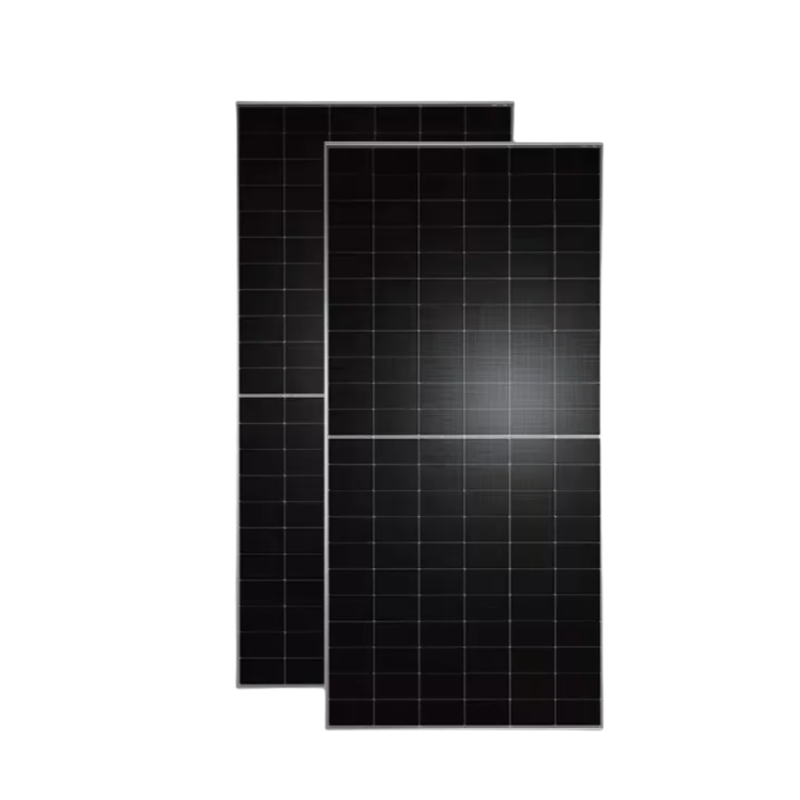
The main types of solar panels available for home use include monocrystalline, polycrystalline, and thin film solar panels. Each type has distinct characteristics that affect performance, installation, and suitability for different home environments. Understanding these differences is essential for homeowners looking to invest in solar energy.
Monocrystalline panels are made from single-crystal silicon wafers and are known for their high efficiency and sleek appearance. They typically offer efficiency rates between 17% and 22%, making them one of the most effective options for energy generation. Due to their efficiency, they require less space to produce the same amount of energy compared to other panel types. However, they are generally more expensive due to the complex manufacturing process.
Polycrystalline panels are made from multiple silicon crystals melted together. They have a lower efficiency rate, typically between 15% and 17%, and are less expensive than monocrystalline panels. The manufacturing process is simpler and less costly, but the panels have a bluish hue and are less efficient, requiring more space to achieve the same energy output.
Thin film solar panels are made by depositing photovoltaic material onto a substrate such as glass, plastic, or metal. This category includes amorphous silicon, cadmium telluride, and copper indium gallium selenide panels. Thin film panels are flexible, lightweight, and have a uniform appearance, making them aesthetically pleasing. While they have lower efficiency rates, typically between 10% and 13%, their unique properties make them suitable for a variety of applications, especially where traditional panels may not be ideal.
Thin film solar panels offer several advantages that make them an attractive option for residential use. Their lightweight and flexible nature allows for installation on surfaces that cannot support the weight of traditional panels. Additionally, they perform better in low-light conditions and have a lower temperature coefficient, meaning their performance is less affected by high temperatures.
One of the significant benefits of thin film solar panels is their versatility. They can be integrated into building materials such as shingles, facades, or windows, offering a seamless and unobtrusive appearance. This integration is especially beneficial for homeowners concerned about the aesthetic impact of solar panels on their homes.
Thin film solar panels perform relatively well under diffused sunlight and in partial shading conditions. Their ability to operate efficiently in high temperatures and low-light environments makes them suitable for a range of geographic locations. This performance consistency can lead to more stable energy production throughout the day and across different seasons.
While thin film panels have lower efficiency, their production costs are generally lower due to less material usage and simpler manufacturing processes. This cost-effectiveness can translate into lower upfront investment for homeowners. Additionally, the ease of installation can reduce labor costs, further enhancing their affordability.
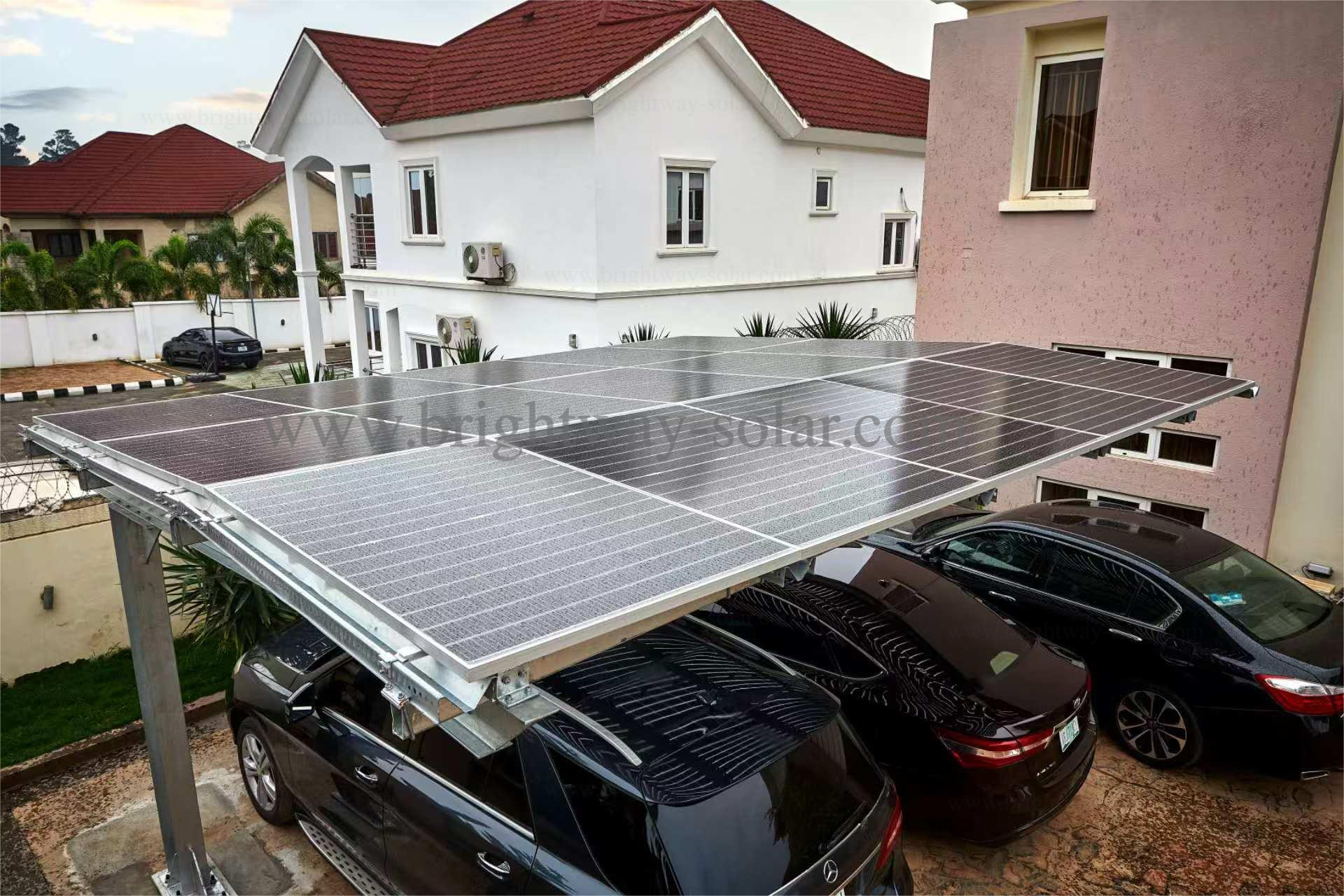
Despite the advantages, there are important considerations when opting for thin film solar panels for residential use. Factors such as space availability, long-term efficiency, and degradation rates should be evaluated to ensure they meet the homeowner's energy needs and expectations.
Due to their lower efficiency, thin film panels require more surface area to produce the same amount of energy as crystalline panels. Homeowners with limited roof space may find it challenging to install enough panels to meet their energy requirements. It's essential to assess the available installation area when considering thin film solar panels for home use.
Thin film solar panels typically have a shorter lifespan compared to crystalline panels. They may also have higher degradation rates, leading to a decrease in performance over time. Homeowners should consider the long-term implications of these factors on their investment and energy production goals.
Certain types of thin film panels use materials like cadmium telluride, which contain toxic elements. While manufacturers take measures to ensure safety and environmental compliance, homeowners concerned about their environmental footprint may prefer panels made from more eco-friendly materials.
To determine the best solar panel type for home use, it's essential to compare thin film solar panels with monocrystalline and polycrystalline panels across key parameters such as efficiency, cost, aesthetics, and installation considerations.
Monocrystalline panels lead in efficiency, providing high power output in a smaller footprint. Polycrystalline panels offer moderate efficiency at a lower cost. Thin film panels have the lowest efficiency but perform better in conditions where light is diffused or temperatures are high. For homeowners with ample space and in regions with less direct sunlight, thin film solar panel residential use can be advantageous.
While monocrystalline panels are the most expensive due to higher production costs, polycrystalline panels offer a balance between cost and efficiency. Thin film panels are generally more affordable upfront but may require more panels to match the energy output of crystalline panels, potentially offsetting initial savings.
Thin film solar panels provide a sleek, uniform appearance and can blend seamlessly with certain architectural styles. They are less obtrusive and can be an excellent choice for homeowners prioritizing aesthetics. Monocrystalline panels also offer a uniform look but are more noticeable due to their installation methods.
Recent advancements in thin film technology have led to improvements in efficiency and durability. Research and development efforts focus on enhancing the photovoltaic materials used, such as perovskite solar cells, which offer higher efficiency and lower production costs. These innovations may soon make thin film panels even more competitive for residential applications.
Perovskite materials have emerged as promising candidates for next-generation thin film solar cells. They offer high absorption coefficients and can achieve efficiencies comparable to traditional silicon-based cells. Additionally, they can be manufactured using low-temperature processes, reducing energy consumption during production.
Thin film technology facilitates the development of BIPV systems, where solar panels are integrated into building materials. This integration includes solar shingles, windows, and facades, allowing for energy generation without additional space requirements. BIPV solutions enhance the aesthetic appeal and can contribute to the building's overall energy efficiency.
Several residential projects have successfully implemented thin film solar panels, demonstrating their practicality and benefits. These case studies highlight the versatility and effectiveness of thin film technology in various home settings.
In urban areas where buildings may have restrictions on roof load capacity, thin film solar panels offer a lightweight alternative. A study in a metropolitan city showed that homeowners were able to install thin film panels without structural modifications, leading to substantial energy savings and a reduction in utility costs.
Historic homes often face regulations that limit alterations to their appearance. Thin film solar panels can be seamlessly integrated into the existing architecture. A heritage home utilized thin film solar shingles, preserving its historic look while benefiting from renewable energy generation.
In remote areas with limited access to the electrical grid, thin film solar panels provide a viable solution for energy independence. Their ability to perform in various light conditions ensures consistent power supply. A rural residence installed a combination of thin film panels and energy storage systems, achieving complete off-grid functionality.
Proper installation and maintenance are crucial for maximizing the performance and lifespan of thin film solar panels. Homeowners should work with experienced installers and adhere to recommended maintenance schedules to ensure optimal energy production.
Installing thin film solar panels requires expertise to address specific mounting and electrical considerations. Professional installers can ensure that panels are securely attached, properly angled, and correctly wired to the home's electrical system. They can also advise on the integration with existing roofing materials and structures.
Maintenance for thin film solar panels is generally minimal but important for sustained efficiency. Regular cleaning to remove dust, debris, and snow can prevent power output reduction. Additionally, periodic inspections can identify and address any issues such as micro-cracks or delamination early on.
Government incentives, rebates, and tax credits can significantly reduce the cost of installing solar panels, including thin film options. Moreover, adopting solar energy contributes to environmental conservation by reducing reliance on fossil fuels and decreasing greenhouse gas emissions.
Many governments offer financial incentives to encourage renewable energy adoption. These incentives may include federal tax credits, state rebates, and local utility discounts. Homeowners should research available programs to maximize their savings and improve the return on investment for their solar systems.
Solar energy is a clean and renewable resource that helps reduce carbon emissions. By installing solar panels, homeowners contribute to a decrease in air pollution and the preservation of natural resources. Thin film solar panels, with their potential for environmentally friendly materials and manufacturing processes, can enhance these benefits.
Selecting the best solar panel for home use involves evaluating various factors, including efficiency, cost, space availability, aesthetics, and environmental impact. While monocrystalline and polycrystalline panels offer high efficiency, thin film solar panels present unique advantages that make them suitable for specific residential applications. Their flexibility, lightweight design, and aesthetic integration capabilities provide homeowners with alternative solutions where traditional panels may not be ideal.
Advancements in thin film technology continue to improve their efficiency and reduce costs, potentially increasing their viability for a broader range of home energy needs. By considering individual circumstances and consulting with solar energy professionals, homeowners can make informed decisions that align with their energy goals and contribute positively to the environment.