English
Views: 0 Author: Site Editor Publish Time: 2025-05-29 Origin: Site
The growing demand for renewable energy sources has placed solar panels at the forefront of sustainable solutions. Among the various types of solar panels available, thin-film and monocrystalline stand out due to their unique characteristics and applications. This article delves into a comprehensive comparison between thin-film and monocrystalline solar panels, providing insights into their efficiency, cost, durability, and suitability for different scenarios.
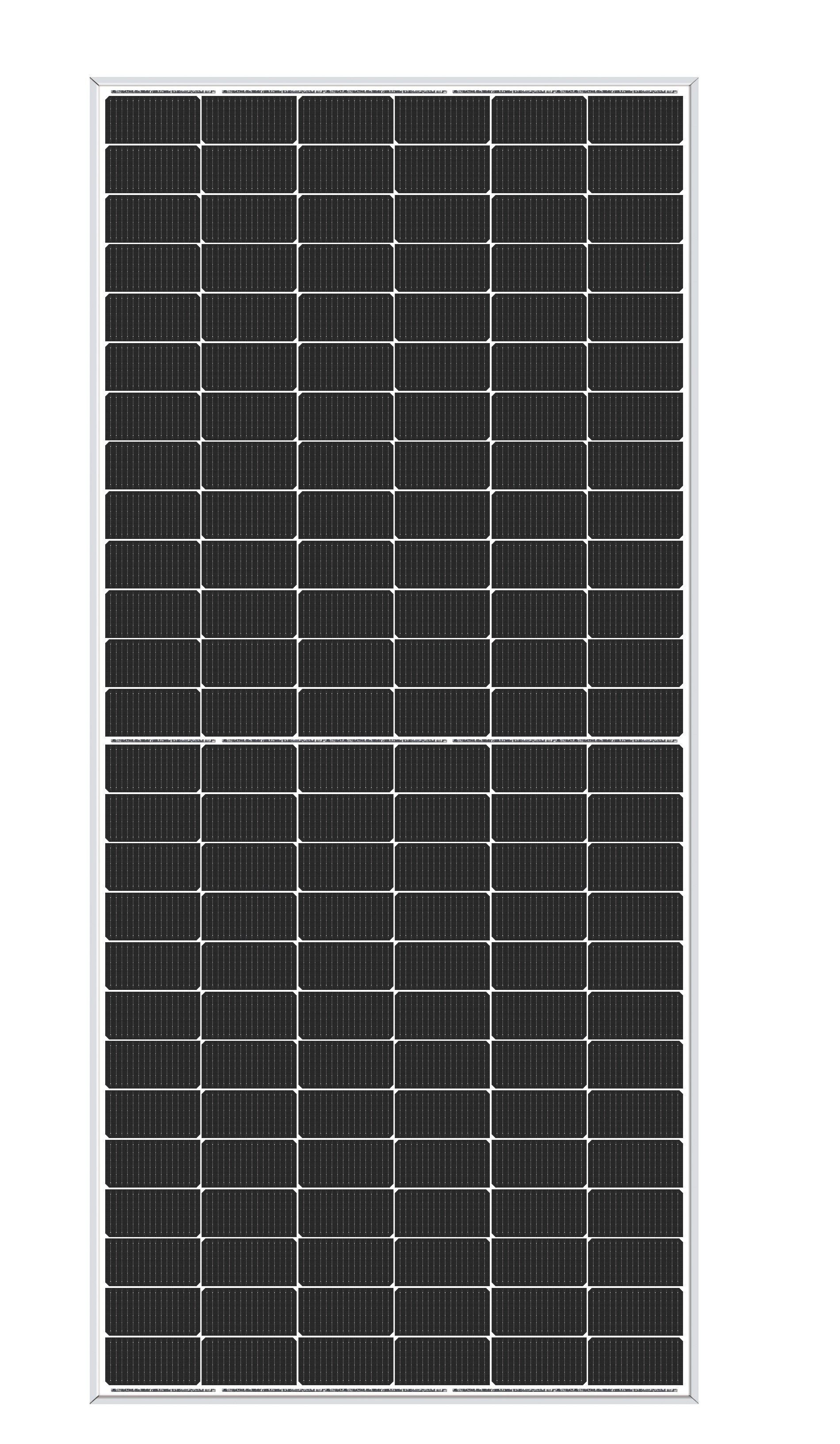
To evaluate which solar panel is better, it is crucial to understand the underlying technologies. Thin-film solar panels are made by depositing one or more layers of photovoltaic material onto a substrate. Monocrystalline solar panels, on the other hand, are made from single-crystal silicon, offering high purity and efficiency.
Thin-film solar panels are known for their lightweight and flexibility. They are produced using materials like amorphous silicon, cadmium telluride, or copper indium gallium selenide. These panels are ideal for applications where weight and flexibility are essential, such as on curved surfaces or lightweight structures.
Monocrystalline solar panels are renowned for their high efficiency and durability. Made from pure silicon crystals, they have a uniform look and are typically more efficient in converting sunlight into electricity. These panels are suitable for installations where space is limited and maximum efficiency is desired.
Efficiency is a critical factor when comparing solar panels. Monocrystalline solar panels generally offer efficiencies between 15% to 22%, making them one of the most efficient options available. Thin-film solar panels typically have lower efficiencies, ranging from 10% to 12%. This difference means that monocrystalline panels will generate more electricity in a given amount of space compared to thin-film panels.
Interestingly, thin-film solar panels can perform better than monocrystalline panels in high-temperature conditions and low-light environments. Their performance degradation is less significant in extreme temperatures, making them suitable for desert or tropical climates.
The cost of solar panel installation is a significant consideration for most consumers. Thin-film solar panels are generally less expensive to produce due to lower material costs and simpler manufacturing processes. However, their lower efficiency may necessitate more panels to achieve the desired power output, potentially offsetting the initial cost savings.
Monocrystalline solar panels, despite their higher upfront costs, can offer better long-term value. Their higher efficiency and durability often result in greater energy production over the system's lifespan. This can lead to a quicker return on investment and greater overall savings on energy bills.
Durability is another crucial factor in determining the better solar panel. Monocrystalline panels typically come with warranties ranging from 25 to 30 years, reflecting their reliability and longevity. Thin-film panels usually have shorter warranties, about 10 to 20 years, due to their less robust nature.
The degradation rate of a solar panel indicates how quickly its performance declines over time. Monocrystalline panels have a lower degradation rate, losing about 0.3% to 0.5% efficiency per year. Thin-film panels degrade faster, at a rate of approximately 0.5% to 1% per year. This means monocrystalline panels maintain their efficiency longer than thin-film panels.
The amount of available space for solar installation can significantly influence the choice between thin-film and monocrystalline panels. Monocrystalline panels, with their higher efficiency, require less space to produce the same amount of energy as thin-film panels.
Thin-film solar panels are lighter and more flexible than their monocrystalline counterparts. This makes them ideal for applications where weight is a concern or where the panels need to conform to a curved surface. For example, thin-film panels are often used in building-integrated photovoltaics (BIPV), where they can be incorporated into windows or façades.
Environmental considerations are increasingly important in renewable energy decisions. Thin-film solar panels sometimes use materials like cadmium, which is toxic and requires careful handling and disposal. Monocrystalline panels are made from silicon, which is abundant and non-toxic, leading to a smaller environmental footprint.
Energy payback time refers to how long it takes for a solar panel to generate the amount of energy used to produce it. Monocrystalline panels have a longer energy payback time due to the energy-intensive process of producing pure silicon crystals. Thin-film panels generally have a shorter energy payback time, making them advantageous from a manufacturing energy perspective.
The decision between thin-film and monocrystalline solar panels often comes down to specific use cases. Monocrystalline panels are preferred for residential and commercial rooftop installations where space is limited, and maximum efficiency is needed. Thin-film panels are suitable for large-scale installations with ample space or for integration into building materials.
Several case studies highlight the differences in practical applications. For instance, a commercial building with limited roof space may benefit more from monocrystalline panels due to their high efficiency. Conversely, a large solar farm might opt for thin-film panels to reduce costs, accepting the need for more panels to achieve the desired output.
Advancements in technology continue to impact the solar industry. Developments in monocrystalline panel technology, such as PERC (Passivated Emitter and Rear Cell) and bifacial panels, have pushed efficiencies even higher. Thin-film technology is also progressing, with new materials and production methods improving performance and reducing costs.
The future of solar panels may see a convergence of technologies. Hybrid panels that incorporate both thin-film and crystalline technologies could offer the benefits of both types. Research into perovskite materials also promises to revolutionize efficiency and manufacturing processes in the solar industry.
Choosing between thin-film and monocrystalline solar panels depends on various factors including efficiency requirements, available space, budget, and specific application needs. Monocrystalline panels offer higher efficiency and durability, making them ideal for space-constrained installations seeking maximum output. Thin-film panels provide flexibility and lower initial costs, suitable for large areas or specialized applications.
By understanding the differences and advancements in both technologies, consumers and businesses can make informed decisions that align with their energy goals and environmental considerations. Whether opting for the high efficiency of monocrystalline solar panels or the versatility of thin-film solar panels, the shift towards renewable energy is a positive step for a sustainable future.